RiseGuide Team
Digital communication is any exchange of information that happens through a digital channel instead of face to face, from email and chat to video calls and voice notes. It falls into a few overlapping types: synchronous or asynchronous, written or voice or video, one-to-one or one-to-many, and internal or external. It's strong at documentation, speed, and keeping dispersed teams in sync, and weaker at building trust and handling emotionally sensitive conversations. To do it well, match the channel to the message, write so people can skim, signal your tone on purpose, keep async updates clear, show up well on video, and agree with the people around you on when a reply is actually expected.
For a large share of the working world, talking through a screen is now the default rather than the backup. In Gallup's Q2 2025 data, 51% of remote-capable US employees were hybrid and another 28% fully remote, so roughly four in five spend part of every week away from the people they work with. Most of that contact happens through a keyboard, a camera, or a microphone. That makes communicating well through digital channels a skill worth being deliberate about, the same way you'd be deliberate about talking in a room.
Digital communication is any exchange of information carried over an electronic device or channel rather than in person: email, messaging apps, video and voice calls, voice notes, comments on a shared document, and posts on social platforms all count. Engineers use the same phrase to mean transmitting data as discrete electronic signals; this article is about the human meaning, so everything here is about how people talk, work, and connect through a screen.
In practice, a few digital communication examples from an ordinary day make the range clear: a Slack message to a colleague, a threaded email to a client, a Zoom stand-up, a Loom recording explaining a design, a voice note to a friend, a comment left on a Google Doc, and a reply to a customer on social media. Different channels, one underlying thing: meaning moving between people without the two of them sharing a physical space.
The useful way to think about digital channels is by what they gain and what they give up compared with being in the same room. A 2026 study in Frontiers in Organizational Psychology, based on interviews with consultants working in hybrid setups, found digital channels work well for documentation, scale, and coordinating people who are spread out, and work less well for building trust, having emotionally sensitive conversations, and creative work done together in real time. The researchers' framing is worth keeping in mind rather than treating one mode as better than the other:
"Digital and face-to-face communication operate as complementary resources in hybrid work systems."
The reason sensitive conversations get harder is that a lot of the signal drops out. In person, the other person reads your face, your pace, and your body language alongside your words. Strip those away and the reader supplies the missing context themselves, which is the heart of how the transactional model of communication describes any exchange: both sides are encoding and decoding at once. On a screen, they're decoding with less to go on, so a neutral message can land as cold and a quick reply can read as curt. For the moments that call for real empathy, like the difference between compassion and empathy that a hard conversation depends on, that missing layer is exactly what matters most.
There's no single official list, and most attempts to name "the four types" just cut the same territory along one axis. It's clearer to see the types of digital communication as a few axes that overlap, since any real message sits on all of them at once. A Slack DM is written, synchronous-ish, one-to-one, and internal all at the same time.
Synchronous communication happens in real time, with everyone present at once: video calls, phone calls, and live chat where you're both typing in the moment. Asynchronous communication is sent now and picked up later: email, recorded voice notes, a Loom video, a comment on a document, or a status update in a project tool. Async trades immediacy for flexibility, which is what makes it the backbone of teams working across time zones.
Written channels carry most digital communication: email, team chat, texts, and documents. Voice covers calls and voice notes, which add warmth and nuance that plain text loses. Video adds faces and body language back into the mix through tools like Zoom, Google Meet, or a recorded walkthrough. As you move from written to voice to video, you regain signal but usually spend more time and attention, which is why not every message deserves a meeting.
Some messages go to a single person, like a direct message or a personal email. Others go out to many at once: a company-wide announcement, a newsletter, a webinar, or a post to your audience. The larger the group, the more the writing has to stand on its own, since you can't read the room and adjust as you go.
Internal communication stays inside a team or company, where people share context, shorthand, and history. External communication reaches customers, clients, partners, or the public through support tickets, marketing emails, and social channels. The tone and care usually rise as you move outward, because an external reader has less goodwill and less context to fill in the gaps.
The volume of digital communication in the workplace has quietly become enormous, and most people underestimate their own share of it. Microsoft's 2025 Work Trend Index report on the "infinite workday," built on Microsoft 365 telemetry and a survey of 31,000 knowledge workers, found the average person receives 117 emails and 153 Teams messages every weekday, gets interrupted by a ping, email, or meeting roughly every two minutes, and handles 50-plus messages outside business hours. Nearly a third are back in the inbox by 10pm.
What people believe about their own load tells a different story. In a March 2025 right-to-disconnect survey, workers self-reported about 32 emails a day, while Microsoft's telemetry puts the real figure closer to 117. The same survey found more than 90% of American workers would support a right-to-disconnect law, and about 81% said work emails cause them anxiety. The load is heavier than it feels, and it doesn't switch off at six.
None of this is a case against communicating digitally, which most of us couldn't work without. It's that a screen introduces friction that a shared room doesn't, and knowing where the friction comes from is what lets you write around it.
Without your face and voice attached, the reader decides how your message sounds, and stress or a bad morning colors how they read it. "Fine." can be agreement or the end of a friendship, and the sender rarely intends the version the reader hears. The fix isn't to warm up every message, but to notice which ones carry weight and add the missing signal on purpose.
Because messages arrive at all hours and sit there visibly unread, they create a quiet pull to reply now. The right-to-disconnect data captures how widespread that pressure has become, and it feeds a loop where fast replies set the expectation of faster ones. Left unspoken, it turns into round-the-clock availability that nobody actually agreed to.
Back-to-back video calls drain people in a specific way. Stanford's Jeremy Bailenson laid out four reasons video calls tire us in a 2021 paper, which he presents as a theoretical argument rather than a finished study: too much close-up eye contact, seeing yourself on screen all day, sitting still in one spot, and the extra mental effort of consciously sending and reading nonverbal cues. His practical takeaway is that video is a choice, not an obligation:
"Videoconferencing is a good thing for remote communication, but just think about the medium - just because you can use video doesn't mean you have to."
The steady stream of messages fractures attention, and getting it back is costly. Gloria Mark's landmark research on interrupted work measured how long it takes to return to a task after being pulled away:
"When people did resume work on the same day, it took an average length of time of 25 min. 26 sec."
Her later work found people often finish interrupted tasks just as fast, but they do it by working harder, at the cost of more stress and time pressure. A lot of the interrupting is self-inflicted: by her more recent measurements, we interrupt ourselves nearly half the time and check email around 77 times a day.
Communicating well through a screen is a set of learnable habits, not a personality trait, and these are the digital communication skills that make the biggest difference. They aren't a sequence, so start with whichever one is costing you most.
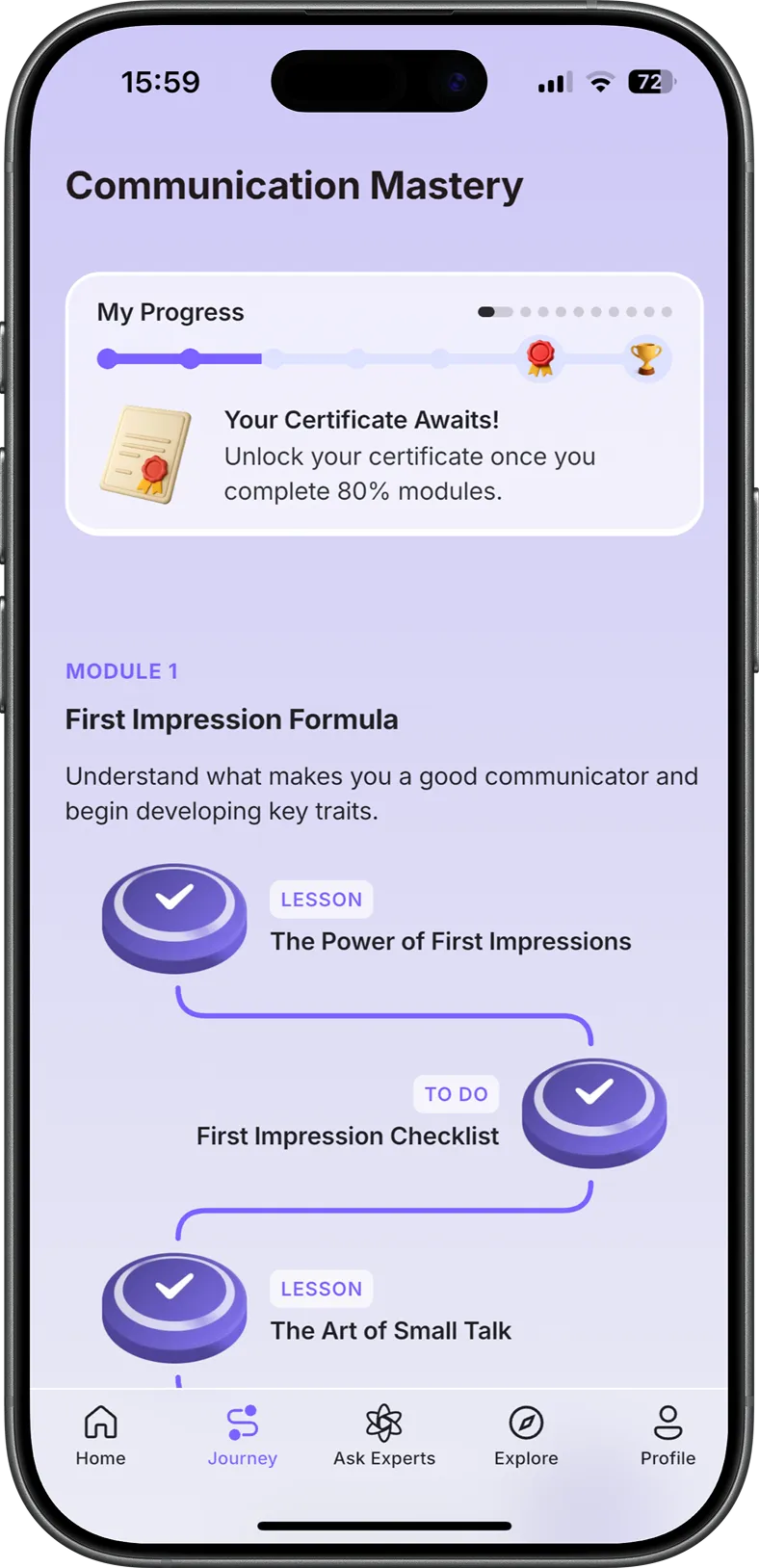
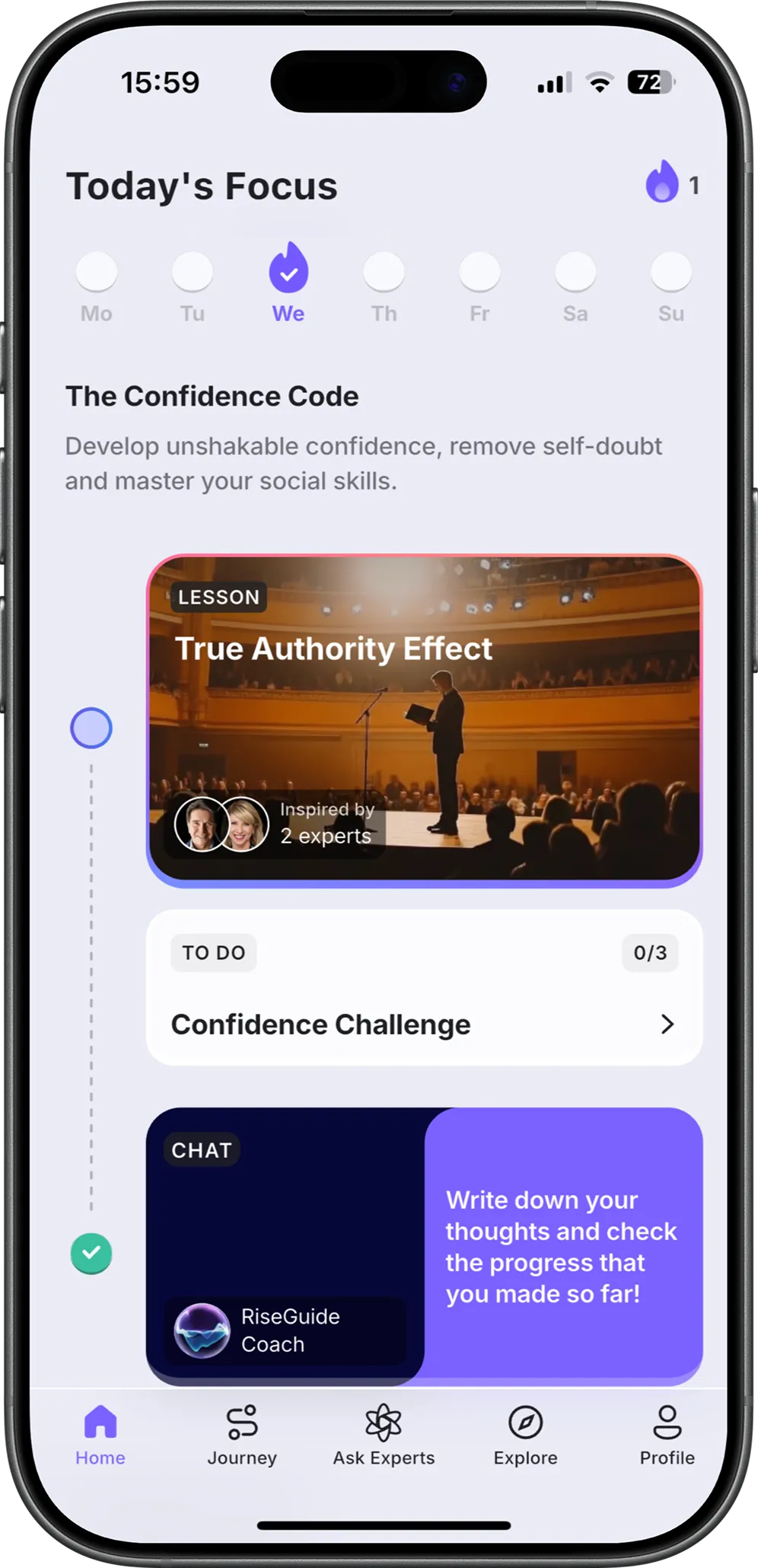
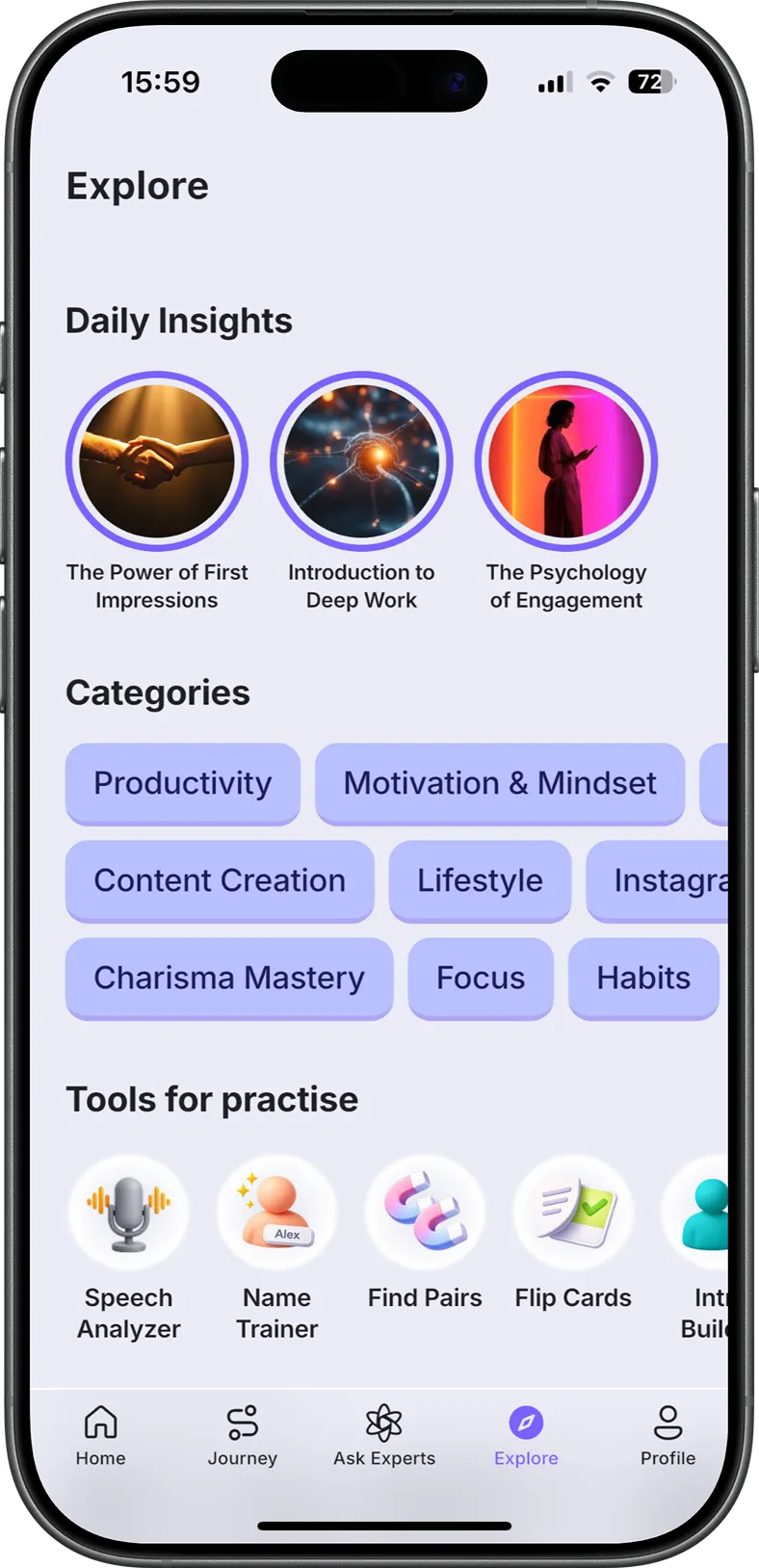
These overlap with the same people skills that help you connect in person, applied to a medium that hides half the signal. If you want to build them deliberately, RiseGuide's Communication mastery journey breaks skills like clear writing, reading tone, and handling hard conversations into short expert-led lessons you can practice in the gaps of a busy day, and there's a shortlist of the best books on communication skills if you'd rather go deeper on your own.
It's any exchange of information that happens through a digital channel rather than in person, including email, messaging apps, video and voice calls, voice notes, shared documents, and social media.
A work email, a Slack or Teams message, a Zoom call, a recorded video like a Loom, and a text or voice note are five everyday examples.
People usually group it into four channels: written (email, chat, texts), voice (calls and voice notes), video (live or recorded), and one-to-many broadcasts (newsletters, announcements, webinars). It also splits along other axes, like synchronous vs asynchronous and internal vs external.
Choosing the right channel, writing clearly for skim-readers, signaling tone deliberately, giving actionable async updates, coming across well on video, and setting shared response-time expectations.
It depends on the task. Research suggests it's very effective for documentation, speed, and coordinating dispersed teams, and less effective for building trust and handling emotionally sensitive conversations, where in-person or video tends to work better.