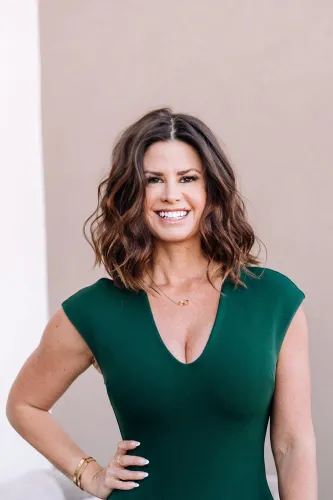
Katie Mares
Brand Experience Expert

We have a bad habit of deciding who matters in a room based on the wrong signals. We watch for the loudest voice, the biggest title, the person at the head of the table, and we assume that is where the power sits. I have spent my career studying experience, meaning how people actually feel when they interact with a brand, a leader, or a team, and one thing I have learned over and over is that the person quietly shaping the outcome is often the one everyone in the room is underestimating. Real influence rarely announces itself. That is exactly why we keep missing it.
Think about who actually changes decisions. It is not always the person doing the most talking. It is often the one listening closely, reading the room, and saying the right thing at the right moment to the right person. It is the connector everyone trusts, the one whose opinion quietly moves three other people before the meeting even starts. We have been trained to equate volume and status with influence, when in practice the strongest voices in the room are rarely the loudest.
I see this most clearly when it comes to women, and I say that as someone who spends her days encouraging women to step into their voice and their choice. Across the economy, women drive the large majority of purchasing decisions and shape an enormous share of what gets bought, chosen, and recommended. And yet in boardrooms, on sales floors, and in strategy meetings, the woman who represents that influence is so often talked over, talked down to, or simply not accounted for. The influence is real and measurable. The recognition of it lags far behind.
Part of this is bias, plain and simple. We assign importance based on who looks the part, and the person who does not fit our mental picture of authority gets discounted before they open their mouth. But part of it is that real influence often works in a register we are not trained to notice. It shows up as trust, as relationships, as the way people feel after talking to someone. Those things do not photograph well in a status contest, so we overlook them, even as they quietly determine what actually happens.
This matters far beyond fairness, though fairness alone would be reason enough. When you underestimate the influential person in the room, you make worse decisions. You dismiss the exact perspective that would have caught the problem. You lose the buy-in you needed and never understood why. Misreading influence is not just rude. It is expensive.
If you want to find the real influence in any room, stop watching the front of it and start watching the pattern. A few things give it away.
Notice who people look at before they answer. When someone is deciding what to say, they often glance at the person whose reaction they actually care about. That glance tells you where the real weight sits.
Notice who the connectors trust. Influence travels through relationships. The person that the well-liked, well-connected people quietly defer to is usually far more influential than their title suggests.
Notice who changes the temperature of the room. Some people walk in and the conversation gets more honest, more relaxed, or more focused. That effect is influence, even when the person never raises their voice.
And notice who you are tempted to dismiss, and ask yourself why. If your reason is really about their volume, their title, or the fact that they do not match your picture of power, you may be about to underestimate the most important person in the conversation.
Here is what I want you to take from this. The instinct to equate loudness and status with influence is not just unfair to the people it overlooks, it makes you worse at reading the room you are actually in. The connector, the quiet strategist, the woman being talked over, the person you almost did not account for, that is frequently where the real power to move things lives. When you learn to see influence for what it is rather than how it dresses, you stop underestimating people, you start valuing leadership wherever it actually shows up, and you get a great deal better at connecting with the humans who were shaping the outcome all along. Tiara optional, but I would keep an eye on the person wearing one you did not notice.