Alex Lyon
Communication professor, author and coach
 FREE GUIDE with any plan: the First Impression FormulaClaim the offer
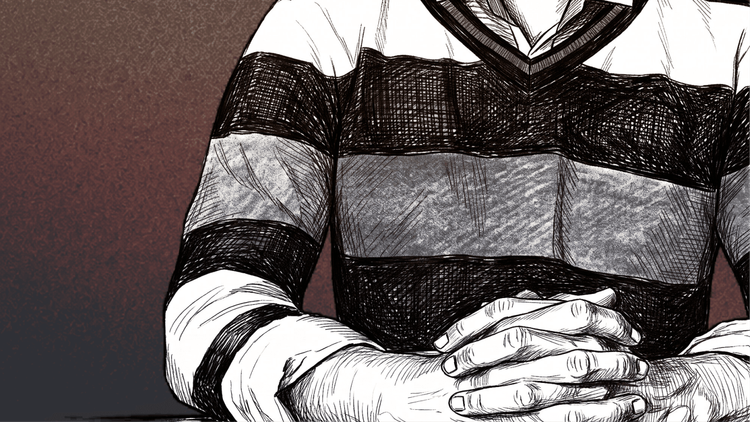
Most of us get ready for a presentation by working on what we are going to say. We write the words, we practice the words, we worry about the words. Then we stand up, and for the first few seconds the audience is reading something else entirely, which is our body. Before you finish your opening line, people have already taken in how you are standing, what your hands are doing, and whether your eyes are really with them.
If you are in any kind of leadership position, you are presenting more often than you think, so it is worth getting a little better at this part. Let's look at the body language that carries your message instead of working against it.
The first thing people notice is your eye contact, so start there. What you are going for is fairly simple. You want to be looking into the eyes of whoever is listening to you most of the time, not down at your notes, not at your slides, and not at the back wall.
There are two ways this usually goes wrong. Some people lock onto one friendly face and stare at that poor person for the whole talk. Others let their eyes slide around the room so fast that they never actually land on anyone. You want something in between. Hold one person long enough to finish a thought, then move to someone else and do the same thing.
And let yourself smile while you do it, especially early on. A warm face tells the room you are glad to be there, and it keeps direct eye contact feeling friendly rather than intense.
Once your eyes are doing their job, look at how you are standing. Put your feet about shoulder-width apart and stand comfortably. From there, most of the work is just stopping the habits that pull attention away from you. You don't want to shuffle your feet, rock from side to side, cross and uncross your legs, or pace around the front of the room like a wild person. A little movement is fine. If you want to take a few steps, take them, and then plant yourself again and keep going.
Your hands are the other half of this. Putting them in your pockets or clasping them behind your back both tend to read as nervous. Bring them up in front of you instead, resting loosely around waist height, and let them gesture naturally from there while you talk. You are not choreographing anything. You are just giving your hands a home base, so they can do what they already do when you are talking with a friend.
If I could give you only one, it would be this one. Right after you make an important point, stop for a moment and give a small nod.
The pause does two things at once. It gives your point a second to land instead of being buried under your next sentence, and it tells the room that what you just said was worth hearing. The nod adds to that. When you nod gently after a key idea, people tend to start nodding along with you, because nodding is contagious. You can almost feel the agreement build in the room.
Most speakers do the opposite. They rush past their best lines as though they are a little embarrassed by them. Slowing down for a beat at the right moment is what turns a line people hear into a line people remember. Try it in your next meeting and watch what happens.
None of this has to be perfect, and it will feel a bit strange the first few times, which is normal. The quickest way to get better is to record yourself on your phone giving a short talk and watch it back once. You will catch the pacing, the hidden hands, or the point you rushed, and a lot of it sorts itself out simply because you have seen it.
The reason any of this matters is that people believe your body before they believe your words, so if the two disagree, they tend to trust what they see. When your eyes, your stance, and your timing match what you are saying, the audience stops paying attention to how you are doing and starts paying attention to what you are telling them. Good body language mostly works by getting out of the way, so that your message is what people are left with.
Body language is only one of the three things people take in. The other two are what is going on inside you, which is your nerves, and what they actually hear, which is your voice. When you want to work on those as well, that is what my lessons in the RiseGuide app are for. I will take you through settling your nerves and using your voice, so that everything people see, hear, and feel from you lines up.