RiseGuide Team
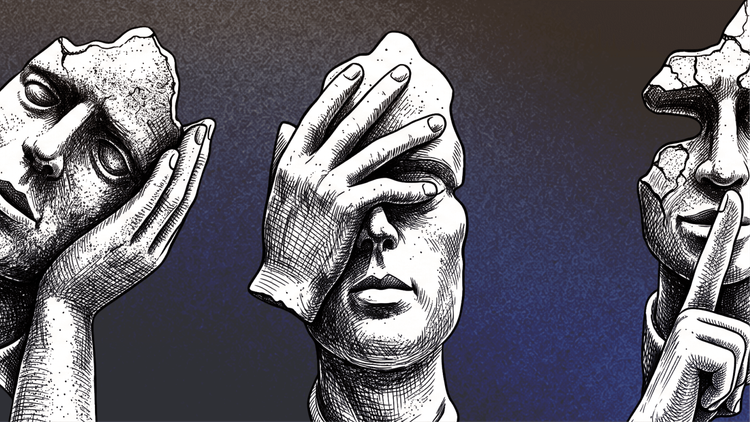
The main signs of burnout fall into three areas: deep exhaustion that rest does not fix, growing cynicism or detachment from work and people, and a sense that you are no longer doing anything well. In daily life that shows up as constant tiredness, dread, irritability, brain fog, physical complaints, poor sleep, pulling away from others, and losing satisfaction in things you used to enjoy. Burnout builds slowly from unmanaged stress, so spotting the early signs matters. If several of these have lasted for weeks, treat it as a signal to rest, set limits, and get support.
Burnout rarely arrives all at once. It builds over weeks or months of pushing through stress without enough recovery, until exhaustion and detachment feel normal. Knowing the signs of burnout early makes it far easier to change course before it takes a serious toll. This guide explains what burnout is, walks through ten common signs and what each one means, and covers what to do if you recognize them in yourself.
If several of these signs have lasted for weeks, or you feel hopeless or unable to cope, please talk to a doctor or a mental health professional. Burnout can overlap with depression and anxiety, and you do not have to sort it out alone.
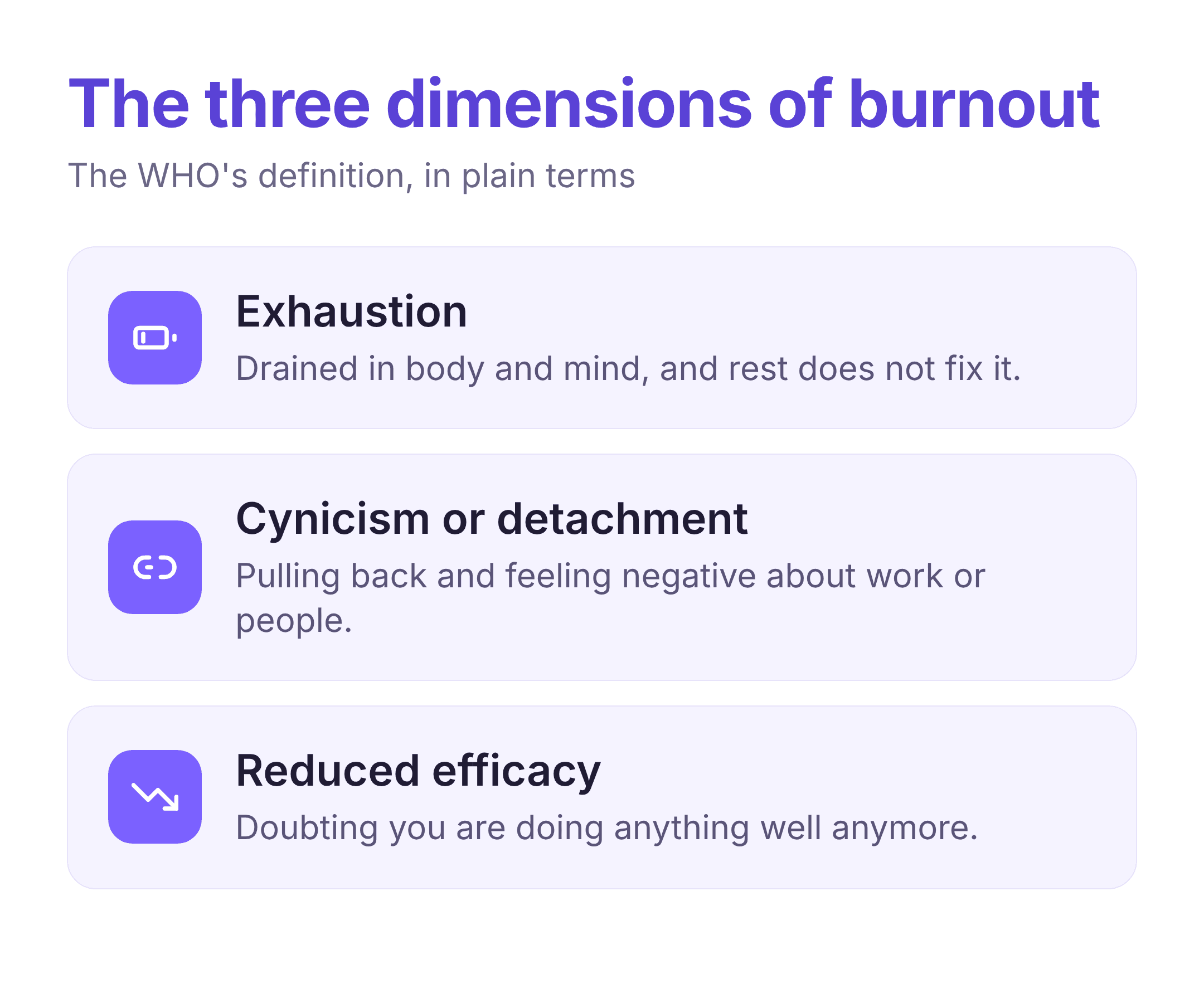
Burnout is a state of physical, emotional, and mental exhaustion caused by long-term, unmanaged stress. The clearest burnout meaning comes from the World Health Organization, which defines burn-out as a syndrome resulting from chronic workplace stress that has not been successfully managed, with three dimensions: energy depletion or exhaustion; increased mental distance from one's job, or cynicism about it; and reduced professional efficacy.
The WHO describes burnout specifically in the context of work, which is why signs of burnout at work are the most studied. But the same pattern of exhaustion, detachment, and feeling ineffective can build up from any long-running demand, including caregiving, study, or life at home. So while the definition of what is burnout is rooted in the workplace, the signs below are worth watching for wherever the pressure is coming from.
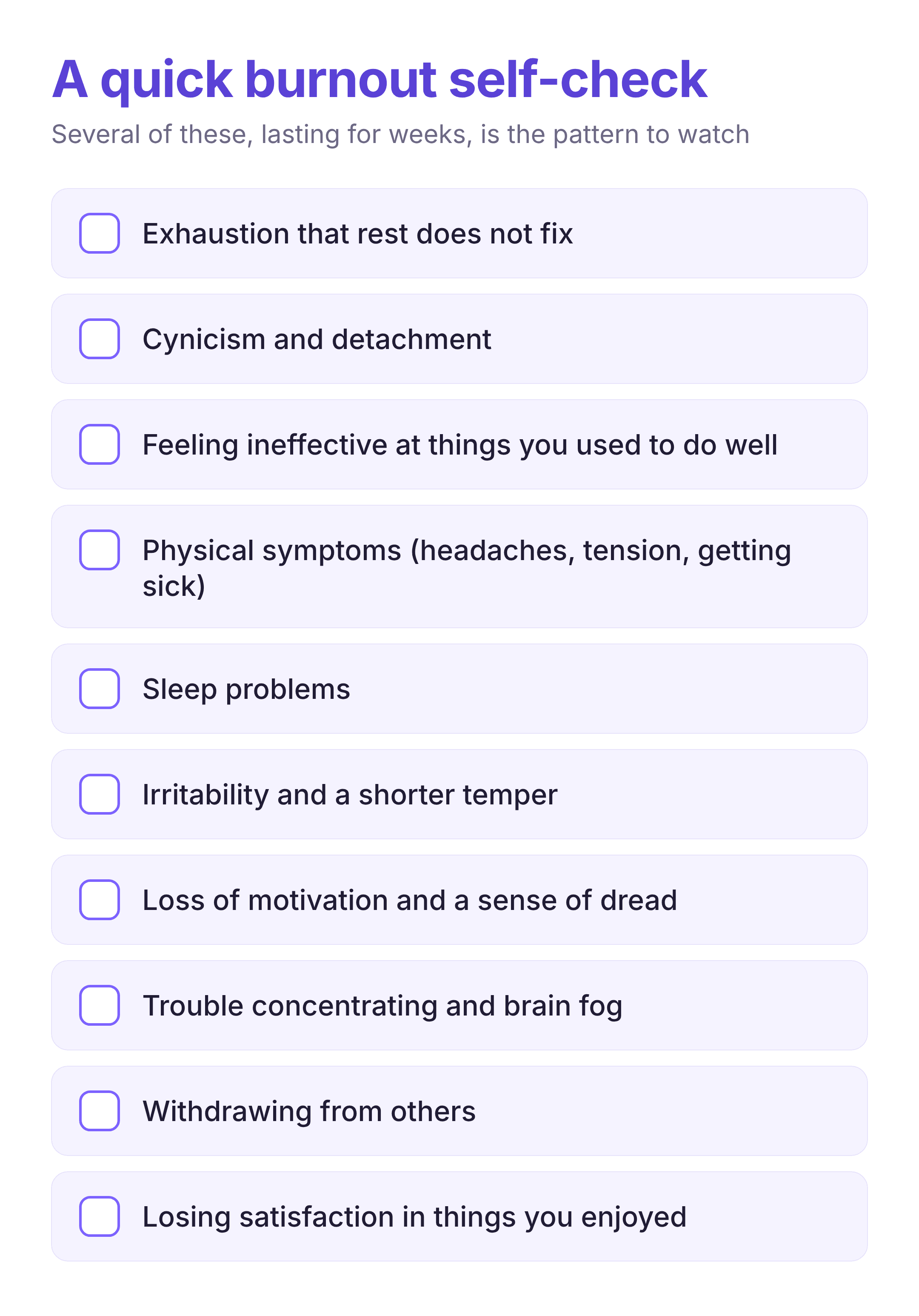
These are the burnout symptoms people notice most often. One or two on a hard week is normal; several together, lasting for weeks, is the pattern to watch.
1. Exhaustion that rest does not fix. The core sign. This is emotional exhaustion and mental exhaustion, not just physical tiredness, so you wake up drained and a weekend off barely helps. It means your demands have outrun your recovery for a long time.
2. Cynicism and detachment. You feel distant from your work, your colleagues, or the people you care for, and more negative or irritable about them than usual. It is the mind's way of protecting itself by pulling back, and it is one of the WHO's three dimensions of burnout.
3. Feeling ineffective. Tasks that used to be easy feel hard, and you doubt whether you are doing anything well. This "reduced efficacy" can be the most discouraging sign, because effort no longer seems to produce results.
4. Physical symptoms. Headaches, stomach problems, muscle tension, and getting sick more often can all come with burnout. Long-term stress affects the body, so physical complaints with no clear cause are worth taking seriously.
5. Sleep problems. Burnout often disrupts sleep: you are exhausted but cannot fall asleep, wake through the night, or never feel rested. Poor sleep then deepens the exhaustion, which is how burnout feeds itself.
6. Irritability and a shorter temper. Small annoyances set you off, and patience runs out faster than it used to. When your reserves are empty, there is less left over for the normal friction of a day.
7. Loss of motivation and dread. Starting the day, or a specific task, brings a sense of dread, and the motivation that used to come naturally is gone. Work that once felt meaningful can start to feel pointless.
8. Trouble concentrating and brain fog. Burnout makes it hard to focus, remember things, and make decisions. A tired, overloaded mind has little capacity left for clear thinking, so simple tasks take longer.
9. Withdrawing from others. You cancel plans, avoid calls, and keep to yourself more than usual. Pulling away can feel like the only way to save energy, but isolation tends to make burnout worse.
10. Losing satisfaction in things you enjoyed. Hobbies, people, and wins that used to feel good stop landing. When nothing feels rewarding, it is a strong sign that your system is running on empty.
Stress and burnout are related, but they are not the same thing, and the difference matters. Stress is usually marked by too much: too many demands, too much pressure, a mind and body in overdrive. You can often still imagine that getting on top of things would help. Burnout is usually marked by not enough: empty, detached, and out of energy, past the point where "just pushing harder" works. Stress tends to feel urgent; burnout tends to feel flat. Burnout often grows out of long-term stress, which is why catching the early signs of stress is part of preventing it.
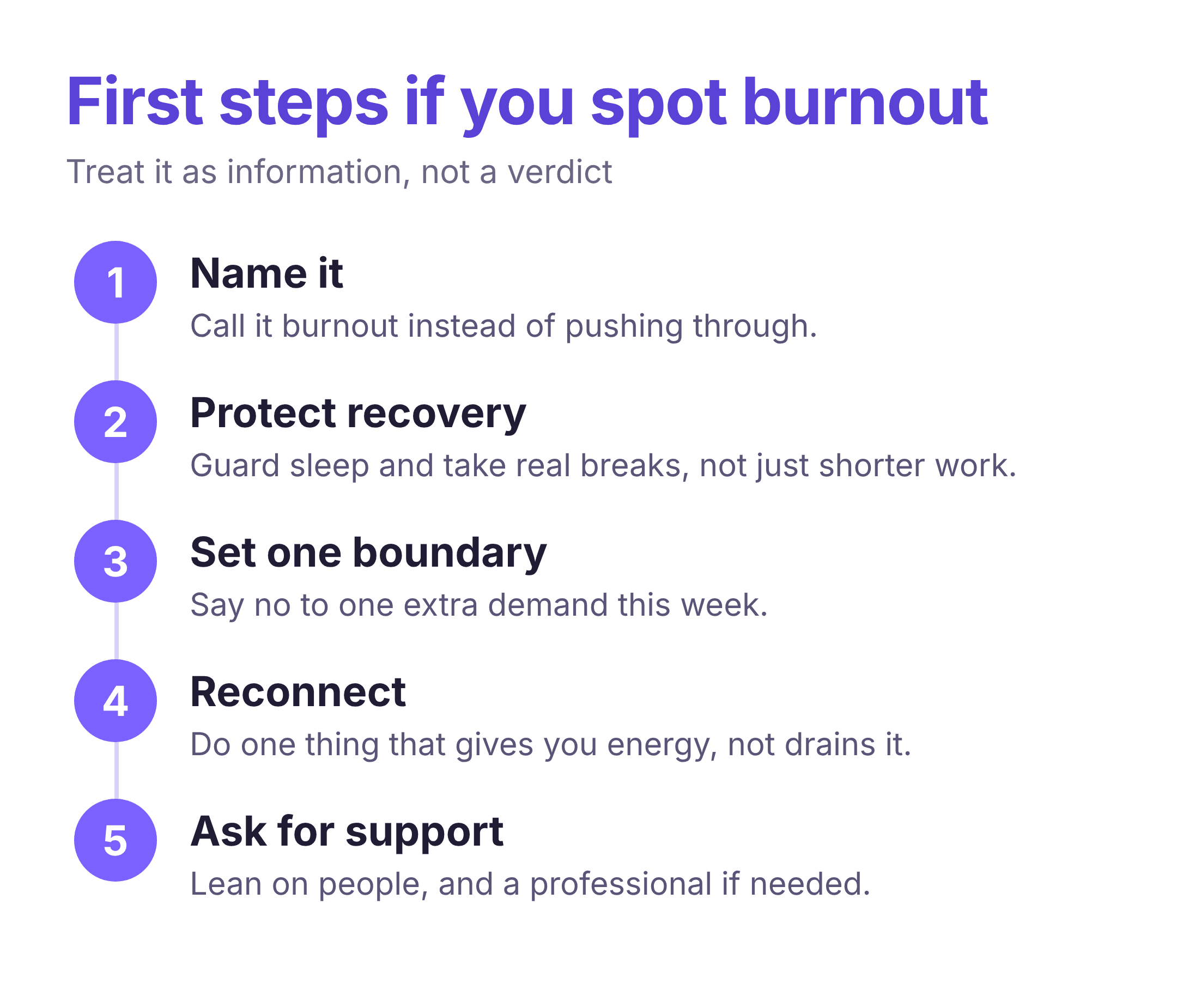
If several signs ring true, treat it as useful information rather than a verdict. These are first steps, not a full treatment plan, and they work best alongside support from people you trust and, where needed, a professional.
Start by naming it honestly instead of pushing through. Protect recovery by guarding sleep and taking real breaks, not just shorter work. Set at least one boundary this week: saying no to one extra commitment, or stepping back from one source of pressure. Overcommitting is a common road into burnout, so learning to stop people-pleasing is often part of the fix. Reconnect with one thing that gives you energy rather than drains it, which ties into the difference between extrinsic and intrinsic motivation. And rebuild gently: small, steady routines, like those in a simple morning routine, restore more than a single big reset.
Psychologists Emily and Amelia Nagoski, authors of the book Burnout, argue that dealing with burnout means completing your body's stress cycle, through movement, slow breathing, laughter, or connection, rather than only removing the thing that stressed you. It is part of why a single weekend of rest often is not enough.
To recover from burnout fully usually takes time and often support, so if the signs are severe or lasting, reaching out to a doctor or therapist is the most useful next step, not a last resort.
Burnout is the result of stress that has gone unmanaged for too long, and it shows up as exhaustion, detachment, and feeling ineffective, along with the physical and behavioral signs above. The earlier you notice the pattern, the easier it is to turn around. If a handful of these signs have lasted for weeks, take it seriously: rest, set limits, lean on people, and get professional support if you need it.
The most common are ongoing exhaustion, cynicism or detachment, feeling ineffective, trouble concentrating, and losing satisfaction in things you used to enjoy. Physical symptoms and sleep problems often come with them.
A widely used model describes burnout stages as: the honeymoon phase (high energy and commitment), onset of stress, chronic stress, burnout itself, and habitual burnout, where the symptoms become part of daily life. The stages are a general map, not a strict sequence everyone follows.
Stress is usually "too much," meaning overload and urgency, where you can still picture relief. Burnout is usually "not enough," meaning empty, detached, and out of energy. Burnout often develops out of long-term, unmanaged stress.
Recovery starts with real rest, setting limits on what is draining you, and reconnecting with support and activities that give energy. Lasting recovery often takes time and professional help, especially if the signs are severe or have lasted a long time.
Yes. Long-term stress can contribute to headaches, stomach problems, muscle tension, poor sleep, and getting sick more often. Physical complaints without a clear cause are worth discussing with a doctor.