RiseGuide Team
 FREE GUIDE with any plan: the First Impression FormulaClaim the offer
To decide whether Coursera is worth it, match it to your goal. Coursera is a legitimate platform with 197 million learners and courses built with real universities and companies, so the teaching quality is high and the career certificates from names like Google and IBM carry real weight with employers. You can audit most courses for free and pay only for graded work and a certificate, or get most of the catalog through Coursera Plus at $59 a month or $399 a year. It is a strong choice when you want university-level depth or a specific credential and have time to commit, because courses often run 20 to 40 hours and certificates take weeks or months. It is a weaker fit when your real goal is a soft skill like communication or confidence that you want to build in short daily sessions, where a long course tends to go unfinished.
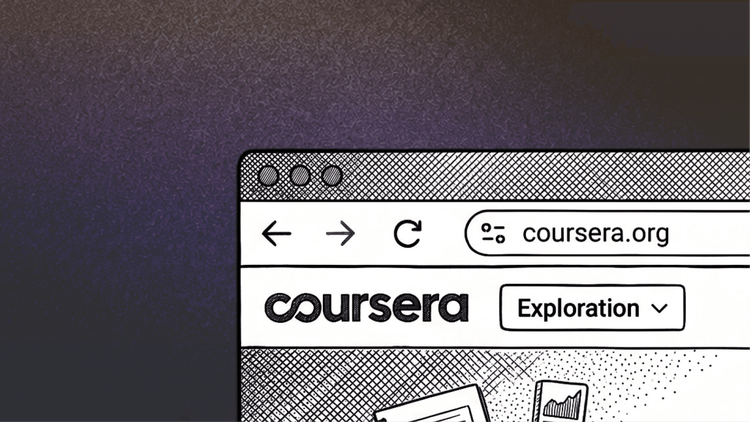
Coursera is one of the first names people reach for when they want to learn something online, and it is also one of the most searched. Before paying for a certificate or a subscription, most people want a straight answer to a few questions: is it any good, is it free, do the certificates mean anything, and is it the right place for what they actually want to learn. This coursera review walks through what you get, what it costs, where it works well, and where a different kind of tool fits better.
Coursera is an online learning platform that hosts courses, certificate programs, and full degrees from universities and companies. It launched in 2012, founded by Stanford professors Andrew Ng and Daphne Koller, and has grown into one of the largest education sites in the world, with 197 million learners and over 375 partners from universities and companies as of the end of 2025. The teaching comes from institutions like Stanford, Yale, and the University of Michigan, and from companies like Google, IBM, and Meta.
The scale and the partners are the simple answer to whether Coursera is legit: it is a real, established company, and the people teaching the courses are real universities and employers, not anonymous instructors. What varies is how much a given course or certificate is worth to you, and that is the part worth slowing down on.
Coursera is not a single product. It is a few different formats, and the right one depends on whether you want to learn a topic, add a line to your resume, or earn a formal qualification.
Most courses use the same rhythm: watch short video lectures, do some reading, take quizzes, and submit assignments that are either auto-graded or reviewed by peers. When you finish the paid version, you get a shareable certificate.
Coursera is partly free. Most individual courses can be audited at no cost, which means you can watch the video lessons and read the material without paying. What you do not get in audit mode is the graded assignments, the quizzes that count, and the certificate at the end.
So, is Coursera free? The lessons usually are; the certificate and graded work are not. If you only want the knowledge, auditing is a real option. If you want the certificate or the graded practice, you pay, and there are a few ways that works:
If cost is the barrier, Coursera also offers financial aid on many individual courses, which you apply for with a short form. How much does Coursera cost in practice? It ranges from nothing, if you audit, to the price of a full degree, so the number depends entirely on which format you pick.
This is where people get the most confused, so it helps to separate two things.
Accreditation is a formal status that applies to institutions and degree programs. Coursera's full online degrees are accredited, because they are awarded by accredited universities. A regular Coursera course or Professional Certificate is not accredited in that academic sense. So, is Coursera accredited? Only partly: the degrees are, and the individual courses and certificates are not, because they were never meant to be academic qualifications.
That does not make the certificates worthless. Whether Coursera certificates are worth it depends on the type and how you use them. A course completion certificate mostly signals effort and interest, which can help but rarely moves a hiring decision on its own. A Professional Certificate like the Google Data Analytics program is different: it is recognized by employers, teaches job-ready skills, and is often used by people switching into a new field. The value comes from the skills you can demonstrate, with the certificate as supporting evidence for them.
A few things make Coursera a strong platform when it fits your goal:
The drawbacks are mostly about format and commitment, not quality.
Coursera is a good fit if you want university-level depth, a recognized career certificate, or a full degree, and you have the time and self-direction to work through long courses. For a career change into tech or data, the Professional Certificates are one of the better-value options online.
It is a weaker fit if what you want is a soft skill, like communication, confidence, leadership, or clearer thinking, in small amounts you can keep up with. A 30-hour video course is a lot of overhead for a skill you mostly improve through short, regular practice, and it is the kind of course that most often ends up half-finished. That is where shorter, more interactive tools come in, and it is worth knowing your options before you commit.
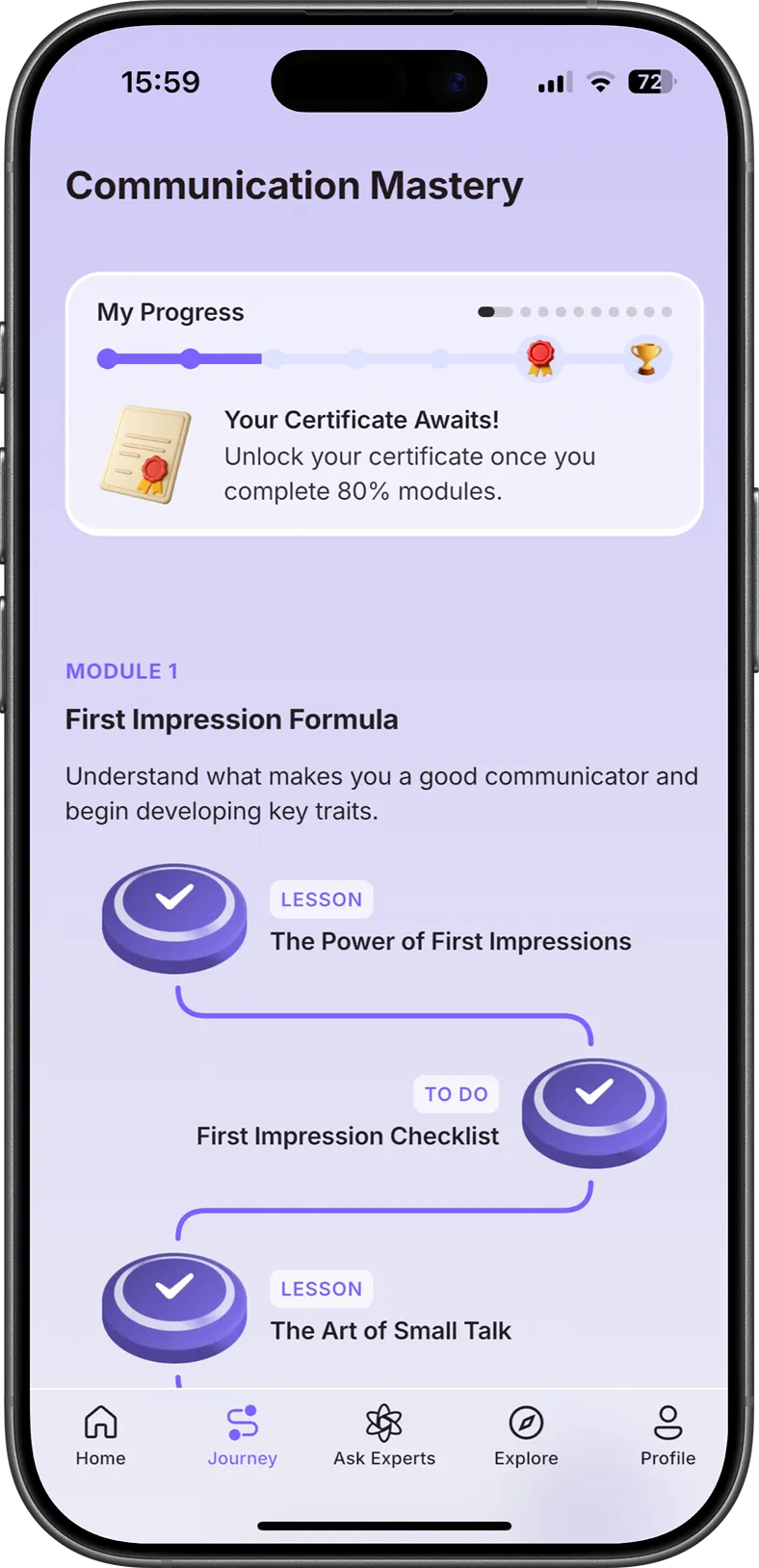
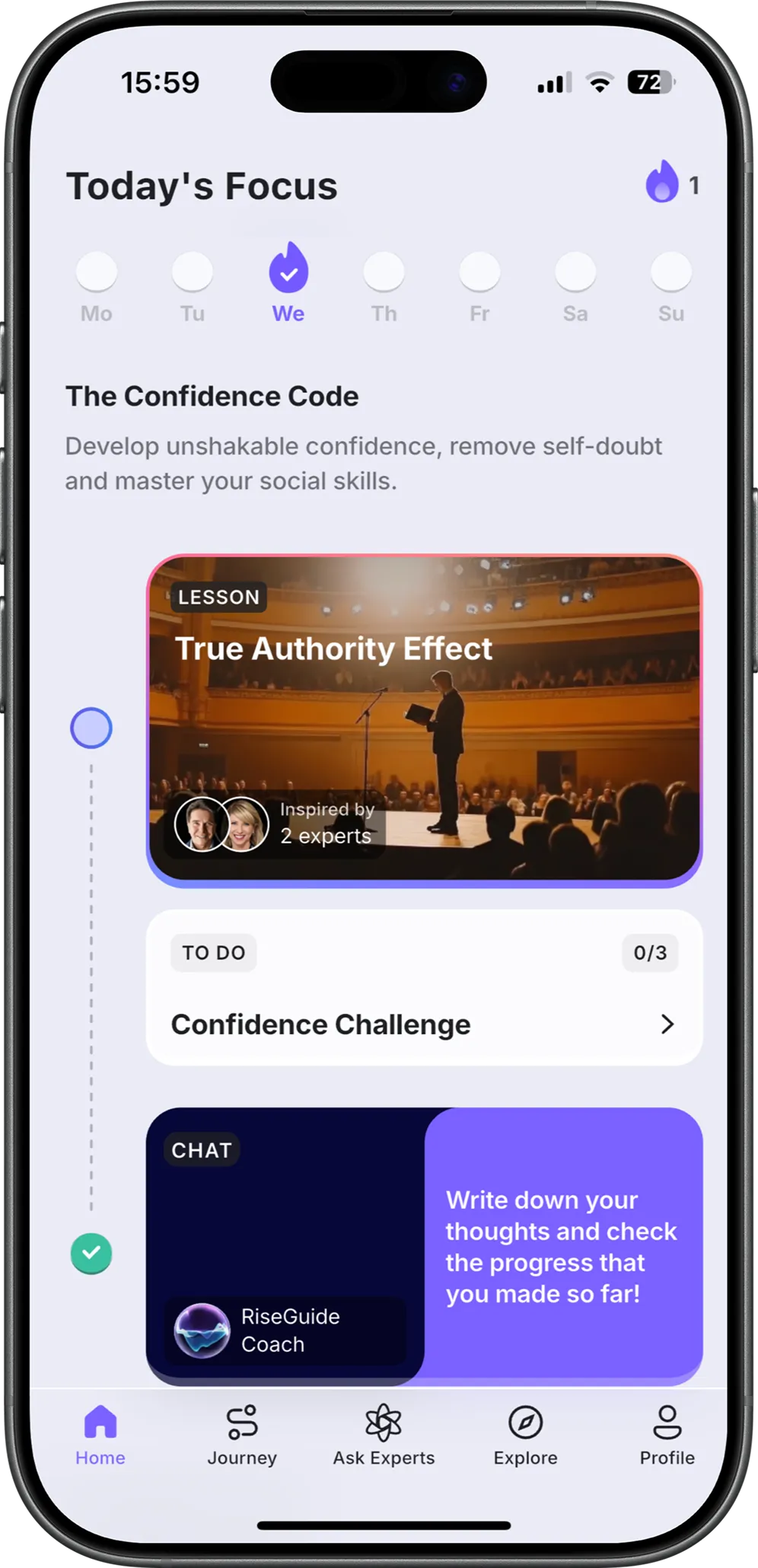
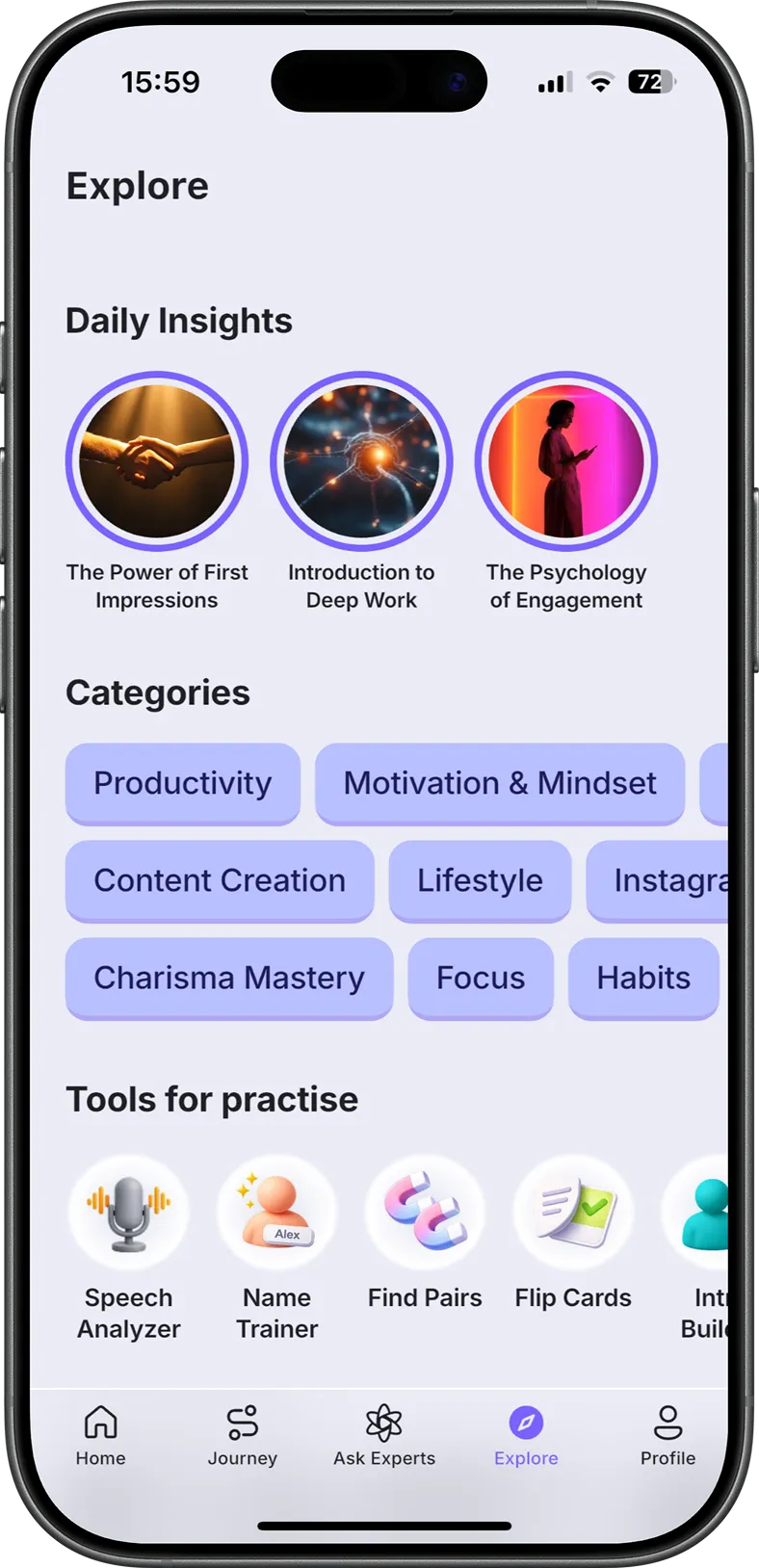
If that sounds more like your goal, our team's guide to microlearning apps covers tools built around short daily lessons, and our roundup of MasterClass alternatives is useful if you are weighing the bigger course platforms against each other. One of those tools is RiseGuide, a self-improvement app built from the insights of experts, where you pick a structured journey, starting with Communication Mastery, and learn through short, interactive lessons designed to fit the small gaps in a day. It covers different ground from Coursera: Coursera is the place for in-depth, credential-backed study, while a microlearning app is the place to build an everyday skill without setting aside 30 hours. Our comparison of RiseGuide vs Blinkist shows how that short-form approach differs from a summaries app, if you are comparing the lighter tools too.
For the right goal, Coursera is worth it. If you want serious depth in an academic or technical subject, a recognized career certificate, or a full degree, few platforms match its range and credibility, and the free audit option lets you test a course before paying. The thing to be honest with yourself about is time: the value only comes if you finish, and the courses are built for people who will.
If your goal is lighter, improving how you communicate, think, or show up day to day, you do not need a 40-hour course, and Coursera is probably more than the job requires. In that case a short-form, finish-it tool will serve you better, and you can always come back to Coursera when you want to go deep on a specific subject.
Coursera earns its reputation for depth and credibility, and for a degree or a career certificate it is one of the strongest options online, as long as you will put in the hours. For building an everyday skill in small, steady doses, a lighter tool is the better match. Decide which of those you actually want, and the choice gets simple.
Yes. Coursera is an established company with 197 million learners and courses built with real universities and major employers. The question worth asking is not whether the platform is legitimate but whether a particular course or certificate is worth it for your goal.
Partly. You can audit most individual courses for free, which gives you the video lessons and readings but not the graded assignments or the certificate. You pay when you want a certificate, graded practice, a subscription, or a degree.
It depends on the format. Auditing is free. Coursera Plus is $59 a month or $399 a year for most of the catalog. Individual certificates have one-time fees, and degrees cost thousands, the same as studying with the university directly.
Coursera's full degrees are accredited because accredited universities award them. Individual courses and Professional Certificates are not accredited, but the employer-built Professional Certificates are recognized by hiring managers and teach job-ready skills. A plain completion certificate mostly shows effort.
The courses are long and take real discipline to finish, the format is mostly passive video and quizzes, and certificate value varies. Some users also report frustration with auto-renewal and refunds.
If you want shorter, more interactive learning for everyday skills, microlearning and self-improvement apps are the closest Coursera alternatives. If you want premium expert-led courses, platforms like MasterClass and its alternatives are worth a look.