RiseGuide Team
Atomic Habits argues that tiny habits, repeated consistently, compound into large results over time — so the way to change your life is to change your daily systems and your sense of who you are, rather than only setting goals. The book's core tool is the four laws of behavior change: to build a good habit, make it obvious, attractive, easy, and satisfying; to break a bad one, invert each law. Practical techniques include starting any habit in a two-minute version, stacking a new habit onto one you already do, shaping your environment so the good choice is the easy one, and tracking the habit so it feels rewarding. The point is to focus on getting a little better each day rather than on one big transformation.
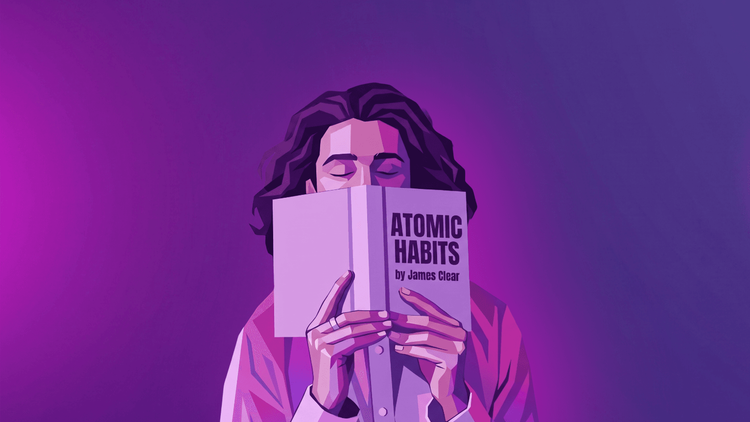
Atomic Habits by James Clear is one of the best-selling books ever written about how habits work and how to change them. It has sold millions of copies since it came out in 2018, and most of that is word of mouth — people read it, actually change something small, and tell a friend. This Atomic Habits summary walks through the book's main ideas and, just as importantly, how to put them to use, so you get the value without needing to read all 300 pages first.
The short version of what Atomic Habits is about: big results don't come from big, dramatic changes. They come from small habits you repeat until they become automatic, and from building systems around those habits instead of relying on motivation or willpower.
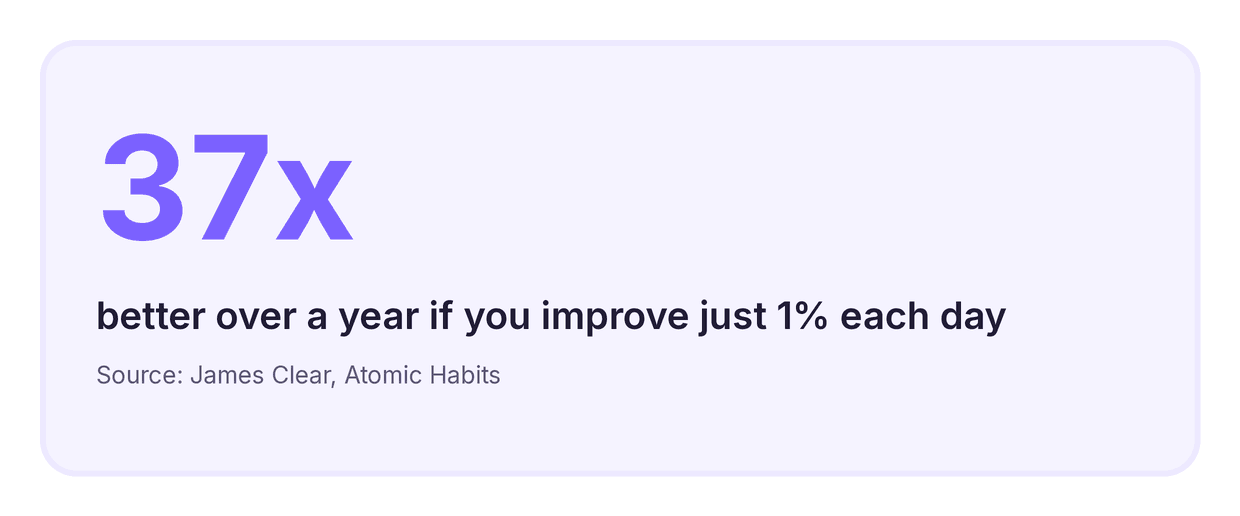
The title captures the idea: an "atom" is small but powerful, and an atomic habit is a small routine that seems too minor to matter in the moment. Tiny habits, though, produce big results over time. James Clear, the Atomic Habits author, builds the whole book on the math of small numbers: getting 1 percent better every day compounds, and small daily gains multiply into roughly 37 times the improvement over a single year. The reverse is also true — small bad habits repeated daily compound against you just as steadily.
This is why change often feels pointless at first. When you start a new habit, the results lag behind the effort for a long time, and it looks like nothing is happening. Clear calls the gap between what you're doing and what you can see the "valley of disappointment." The habit is working; the payoff just hasn't caught up yet. Most people quit inside that valley, right before the compounding would have shown up.
One of the book's most quoted ideas is that goals matter far less than the systems you use to reach them. A goal is the result you want; a system is the set of daily actions that gets you there. Two people can share the same goal, but the one with the better system is the one who reaches it. Clear puts it plainly:
"You do not rise to the level of your goals. You fall to the level of your systems."
The practical takeaway is to spend less energy picking the perfect goal and more on designing a routine you can actually repeat. Goals are useful for setting direction, but the daily system is what produces the outcome.
The deepest change in the book is about identity. Most people try to change from the outside in: they focus on what they want to achieve. Clear argues you should work from the inside out — decide the kind of person you want to be, then let small habits prove it. Every time you do the habit, you cast a vote for that identity.
"Every action you take is a vote for the type of person you wish to become."
So instead of "I want to run a marathon," the shift is to "I'm the kind of person who doesn't miss a workout." A single run doesn't make you a runner, but each one is a small piece of evidence. When the habit becomes part of how you see yourself, you no longer have to force it.
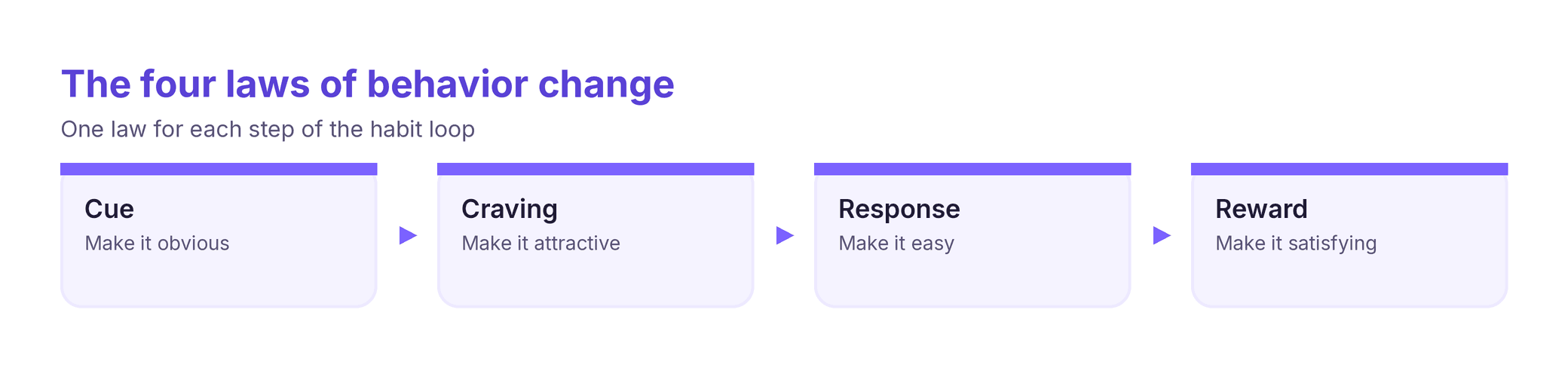
This is the framework most people remember from the book, and it's the heart of how it works. Clear breaks every habit into a four-step loop — cue, craving, response, reward — and gives one law for each step. To build a good habit, run the loop forward.
Make it obvious (the cue). You can't do a habit you never notice. Make the cue for the good habit visible — put the book on your pillow, the fruit on the counter, the running shoes by the door. One reliable trick is habit stacking: attach the new habit to something you already do, using the shape "After I [current habit], I will [new habit]."
Make it attractive (the craving). We repeat things we look forward to. Pair a habit you should do with something you want to do — only listen to your favorite podcast while you walk, for example — so the habit carries its own pull.
Make it easy (the response). Reduce the effort between you and the habit. The book's best-known tool here is the two-minute rule: shrink any new habit down to a version that takes two minutes or less, so "read before bed" becomes "read one page." You can always do more, but you only have to start.
Make it satisfying (the reward). We repeat what feels good right away. Give the habit an immediate small reward, and track it so you can see the streak — a checkmark on a calendar is enough. What feels satisfying gets repeated.
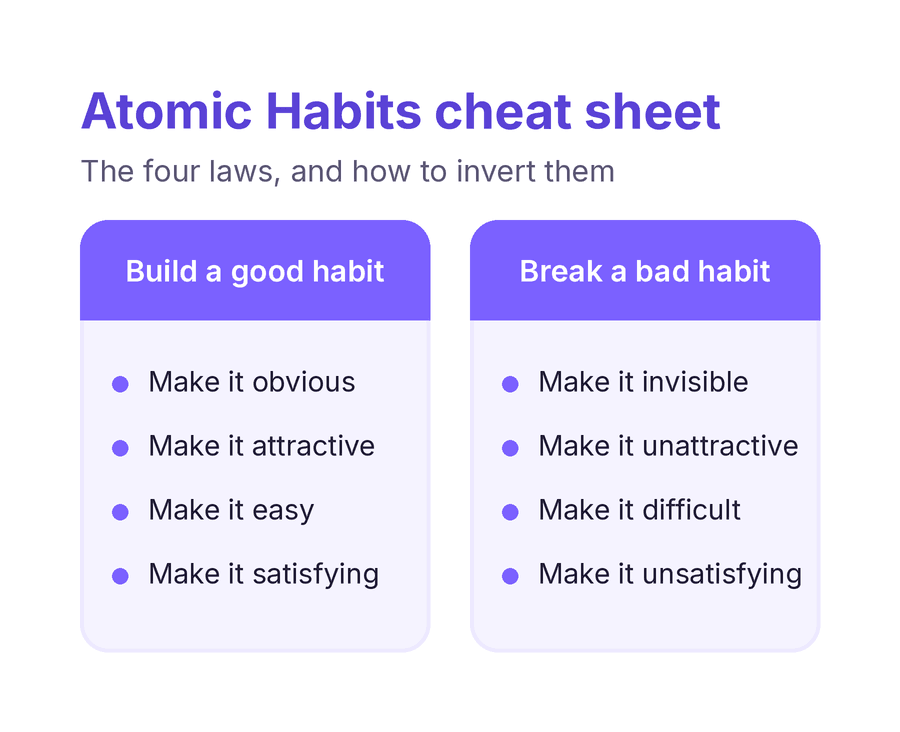
To break a bad habit, you invert the four laws: make it invisible, make it unattractive, make it difficult, and make it unsatisfying. Hide the phone in another room, and the habit you can't see is far easier to skip.
An Atomic Habits book summary is only worth reading if you can act on it, so here is the short path from the ideas above to a habit that sticks.
Start with a single habit and shrink it to its two-minute version so it's almost too easy to skip. Stack it onto something you already do every day, so an existing routine becomes the cue — this is where a steady morning routine helps, because it gives new habits a reliable place to attach. Then shape your environment so the good habit is the obvious, easy choice and the bad one takes real effort. Track it somewhere you'll see, and judge yourself on whether you showed up, giving the results time to catch up.
Because the payoff lags, the early weeks are the hard part, and this is where thinking in systems beats waiting to feel inspired. If motivation is the thing you keep waiting for, it helps to learn how to stay motivated through the flat stretch instead of relying on it to start.
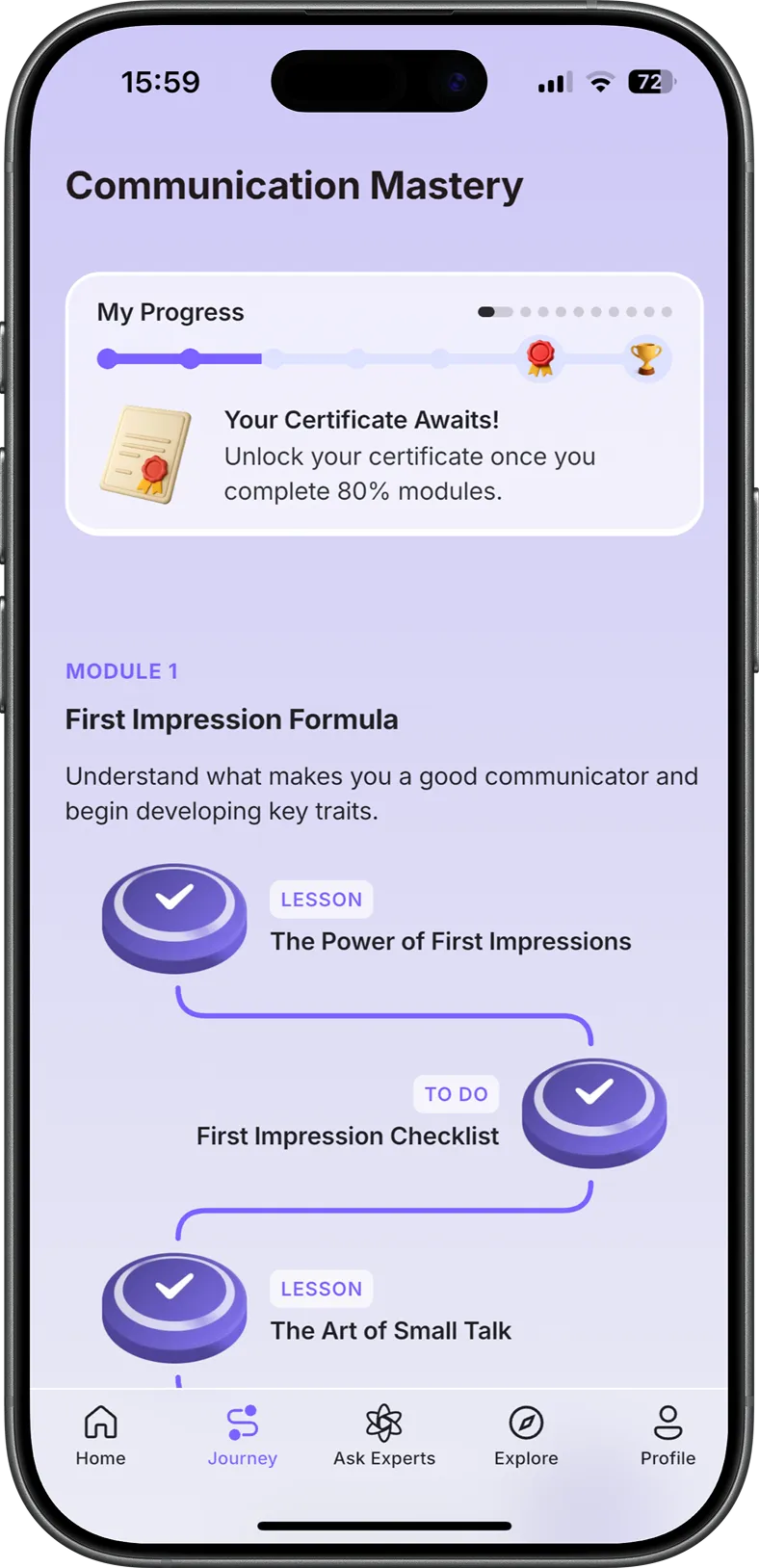
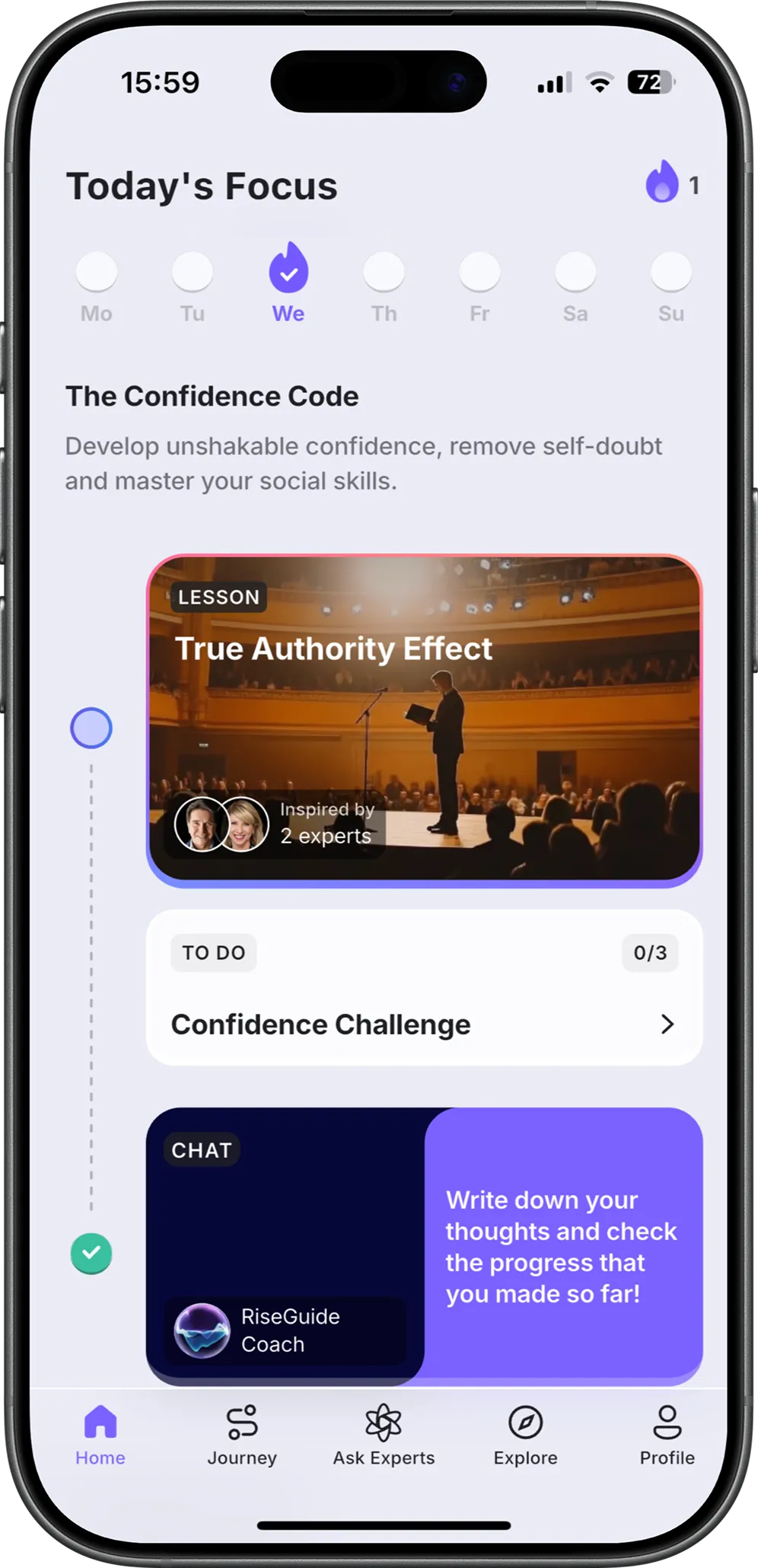
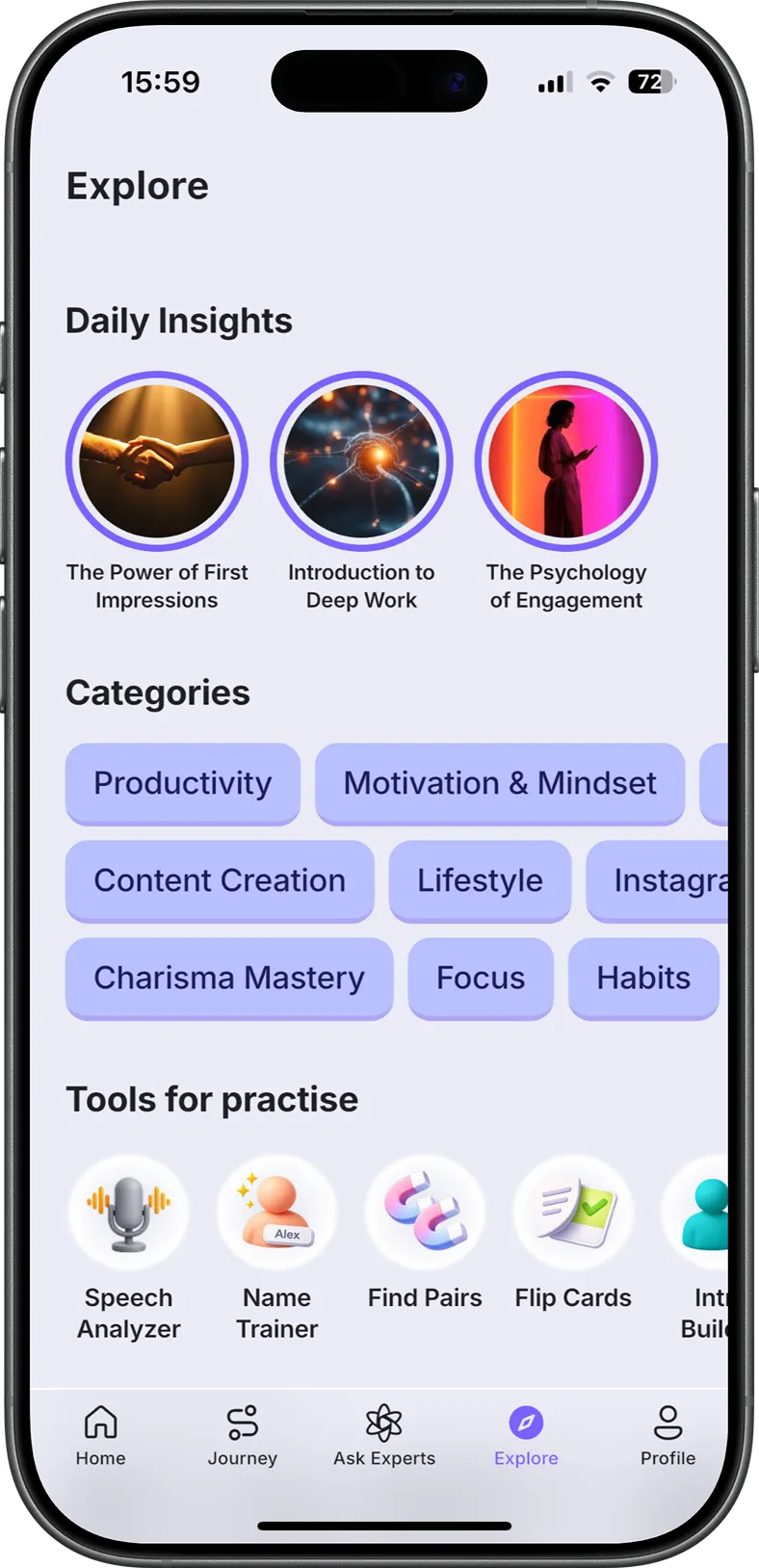
The app version of this is the same idea. RiseGuide is built around short, daily micro-learning — journeys like Communication Mastery broken into roughly 15-minute lessons drawn from expert insights — so building a skill becomes one small, repeatable habit rather than a big project you keep postponing.
If you want the whole method on one screen, here is the Atomic Habits cheat sheet. To build a good habit, make it obvious, attractive, easy, and satisfying. To break a bad one, make it invisible, unattractive, difficult, and unsatisfying. Underneath both sits the same principle: change your systems and your identity, and let small habits compound.
A few lines carry the book's argument on their own. These Atomic Habits quotes are worth keeping somewhere you'll see them:
"You do not rise to the level of your goals. You fall to the level of your systems."
"Every action you take is a vote for the type of person you wish to become."
"All big things come from small beginnings. The seed of every habit is a single, tiny decision."
For a short Atomic Habits review: if you want a clear, practical system for changing your behavior, it earns its reputation. The strength of the book is how Clear organizes familiar ideas — habit loops and small wins existed well before it — into one method you can actually follow, with concrete steps and examples on almost every page. Readers who want deep original science may find it light in places, but as a manual for doing the work, it's hard to beat. It sits comfortably among the other self-improvement books most worth your time, and it's a fair place to start if you only read one.
Atomic Habits works because it turns a big goal into something small enough to do today. Pick one habit, shrink it to its two-minute version, attach it to a routine you already have, and make the good version the easy one. The results won't show up right away, so judge yourself on whether you kept showing up and let the compounding do the rest. Read the book for the full detail and the many examples, and start with a single change you can repeat tomorrow.
It's a book about how habits form and how to change them. The main argument is that small habits repeated over time compound into big results, and that the way to change them is to adjust your systems and your identity rather than just setting goals. It gives a four-part method — make a habit obvious, attractive, easy, and satisfying — for building good habits and breaking bad ones.
Make it obvious, make it attractive, make it easy, and make it satisfying. Each law lines up with one part of the habit loop — cue, craving, response, and reward. To break a bad habit, you flip them: make it invisible, unattractive, difficult, and unsatisfying.
It's the idea that any new habit should start in a version that takes two minutes or less. "Do 30 minutes of yoga" becomes "roll out the mat"; "read every night" becomes "read one page." Making the start tiny gets you past the hardest moment, and you can always keep going once you've begun.
The idea that improving by about one percent a day, while small in the moment, compounds into roughly 37 times the improvement over a year. It's the reason the book focuses on tiny, repeatable habits instead of dramatic change.
James Clear, a writer who spent years publishing about habits and decision-making before the book came out in 2018. Atomic Habits grew out of that work and became one of the best-selling books on the subject.