
Juliann Wiese
Master Certified Coach & Leadership Consultant
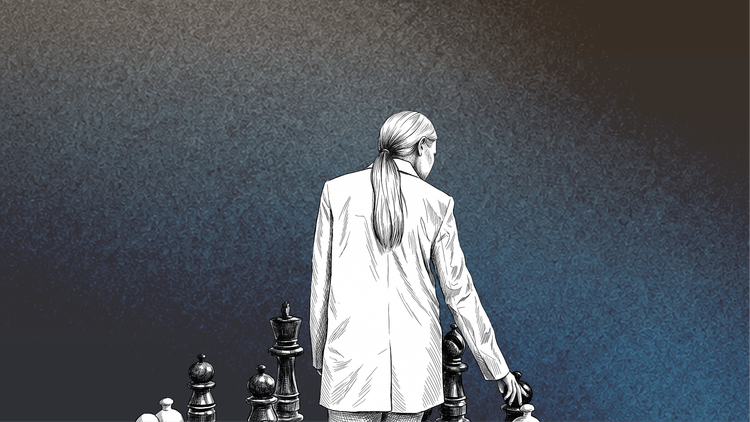
Almost everyone I coach through a step up into leadership arrives with the same quiet confusion. They were promoted because they were excellent at something, and now that they are responsible for a team, the very excellence that got them there is not producing the results it used to. Nothing is obviously wrong, and yet the old moves have stopped landing. Over three decades of coaching executives and developing leaders, I have watched this pattern often enough to say it plainly: the skills that earn you a promotion are rarely the skills that make you good at leading, and the sooner you understand why, the less lonely and confusing the transition becomes.
Think about what actually got you noticed. You were probably the person who delivered, who could be handed the hardest piece of work and be trusted to finish it well. You built your reputation on your own output, your own reliability, your own standards. That is a real strength, and it is worth honoring rather than dismissing. The trouble is that it trains a very particular set of habits. You learn to trust your own hands over anyone else's. You learn that the fastest way to a good result is to do it yourself. You learn to measure a good day by how much you personally produced.
Leadership quietly changes the unit of measurement. Your job is no longer to produce the result yourself. It is to create the conditions in which other people produce results, most of which you will not touch. The habits that made you a strong individual contributor start working against you in that new role. The instinct to do it yourself becomes a bottleneck. The high personal standard becomes a reason no one else's work ever feels good enough to leave alone. The reliability that used to reassure everyone now keeps your team dependent on you for answers they could learn to find themselves.
This is not a character flaw, and it is not a sign you were promoted by mistake. It is simply that you were rewarded, for years, for a way of working that a leader has to partly set down. Much of what stalls a capable person at this stage is invisible to them, which is one of the reasons high performers stall right when everyone expected them to accelerate.
The hardest part of this shift is rarely practical. It is that these skills are not just things you do. They have become part of how you see yourself. Being the one who delivers, the one with the answer, the one who can be counted on, is often woven into your sense of worth. So when leadership asks you to step back and let others carry the work, it can feel like being asked to become less valuable, not more.
I spend a lot of time in these conversations on the narrative rather than the tactics, because the narrative is usually what is actually stuck. If the story you carry is that you are only as good as what you personally produced today, then delegating will feel like losing, no matter how much you understand it in theory. Real self-awareness at this stage is noticing that story and questioning whether it is still serving you, or simply the loudest voice from an earlier version of your career.
The shift is learnable, and it happens through practice rather than insight alone. A few things help.
No one hands you a manual on the day the title changes, and most people spend the first stretch trying to lead with the exact skills that made them want to be promoted. It works for a while, and then it quietly stops. The leaders who make the transition well are not the ones who abandon their old strengths. They are the ones who learn which parts to keep, which parts to set down, and how to build their worth on what the whole team can do rather than on what they can carry alone. That is a slower kind of excellence, and it is the one leadership actually asks for.