RiseGuide Team
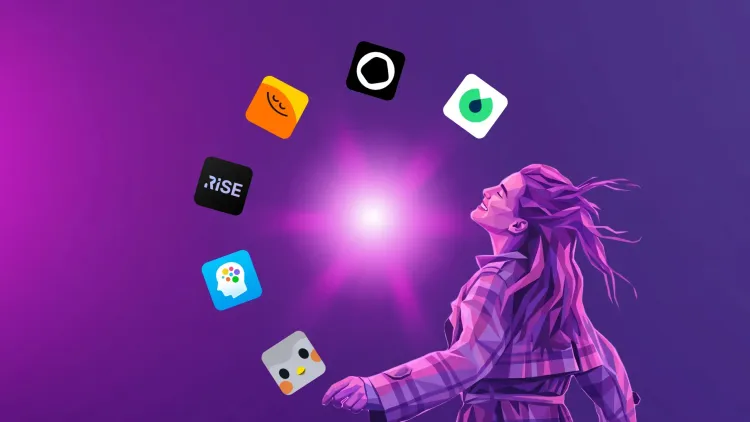
Here are the six in brief, with the kind of person each one suits:
In one line each: choose RiseGuide to learn a skill and practice it, Blinkist to absorb a book's main ideas quickly, Elevate to keep your mind sharp, Finch to build habits without pressure, Headspace to wind down and sleep better, and Opal to claw back time from your screen. The detail on each is below.
"Self improvement" means something different to almost everyone who searches for it. For one person it's a calmer start to the day; for another it's finally keeping a promise they made to themselves months ago; for a third it's thinking and speaking more clearly at work. The apps that promise to fix all of that at once rarely go deep on any of it, so instead of ranking these six head to head, this guide sorts them by the one outcome each is genuinely good at.
App Store (4.6 ⭐)
Google Play (4.1 ⭐)
Best for: people who want practical learning, built on expert insights, that they can put into action.
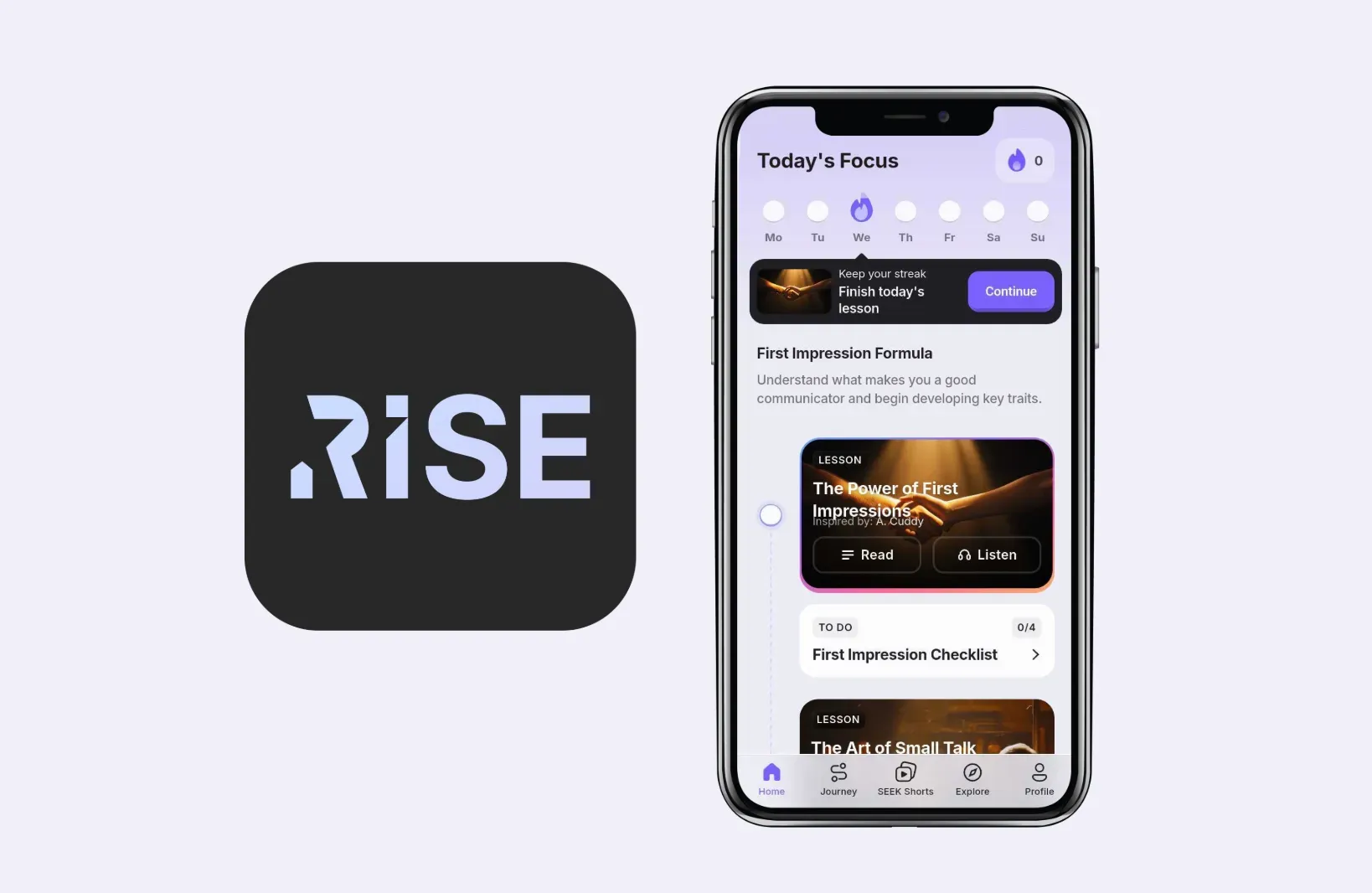
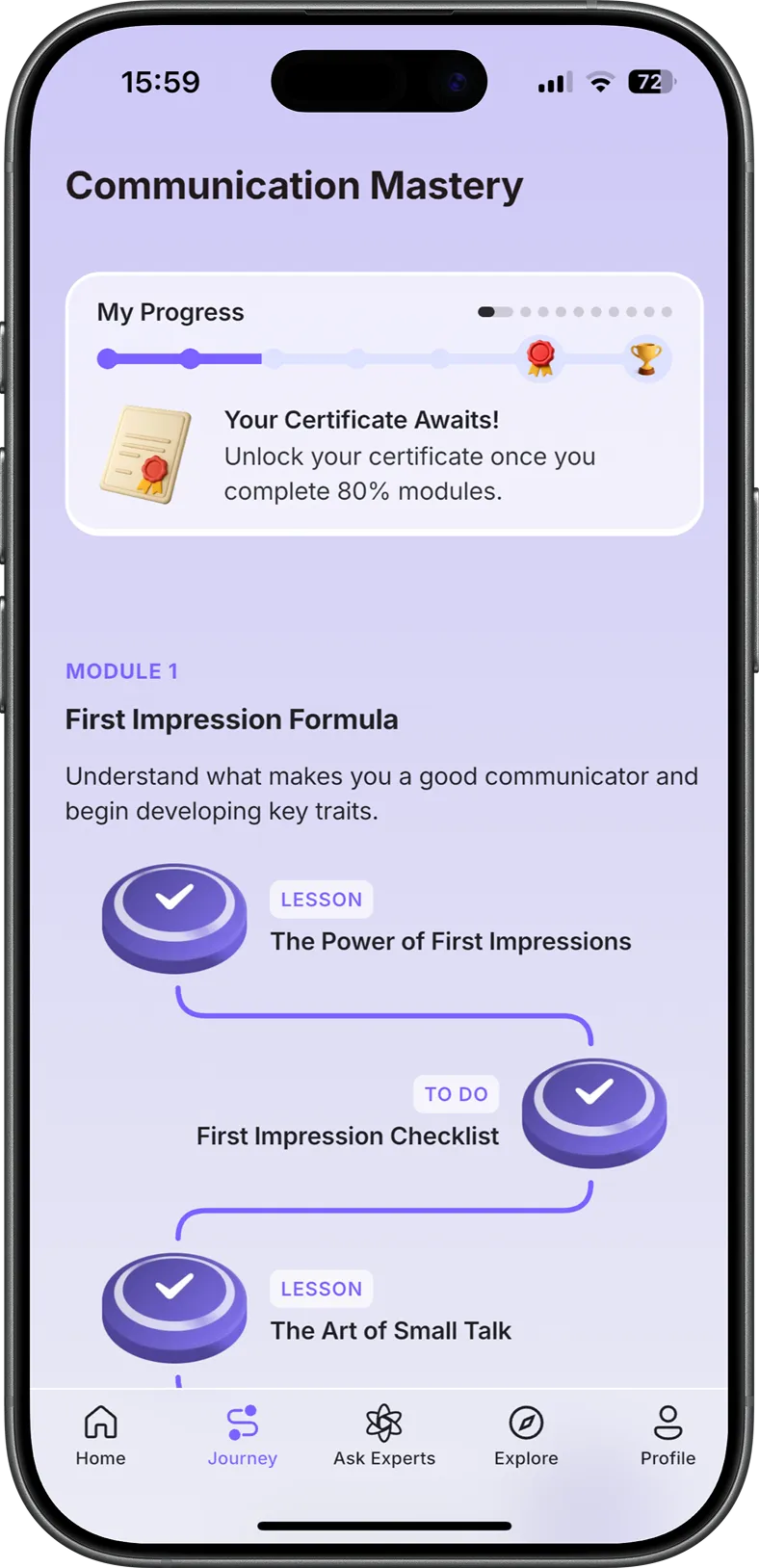
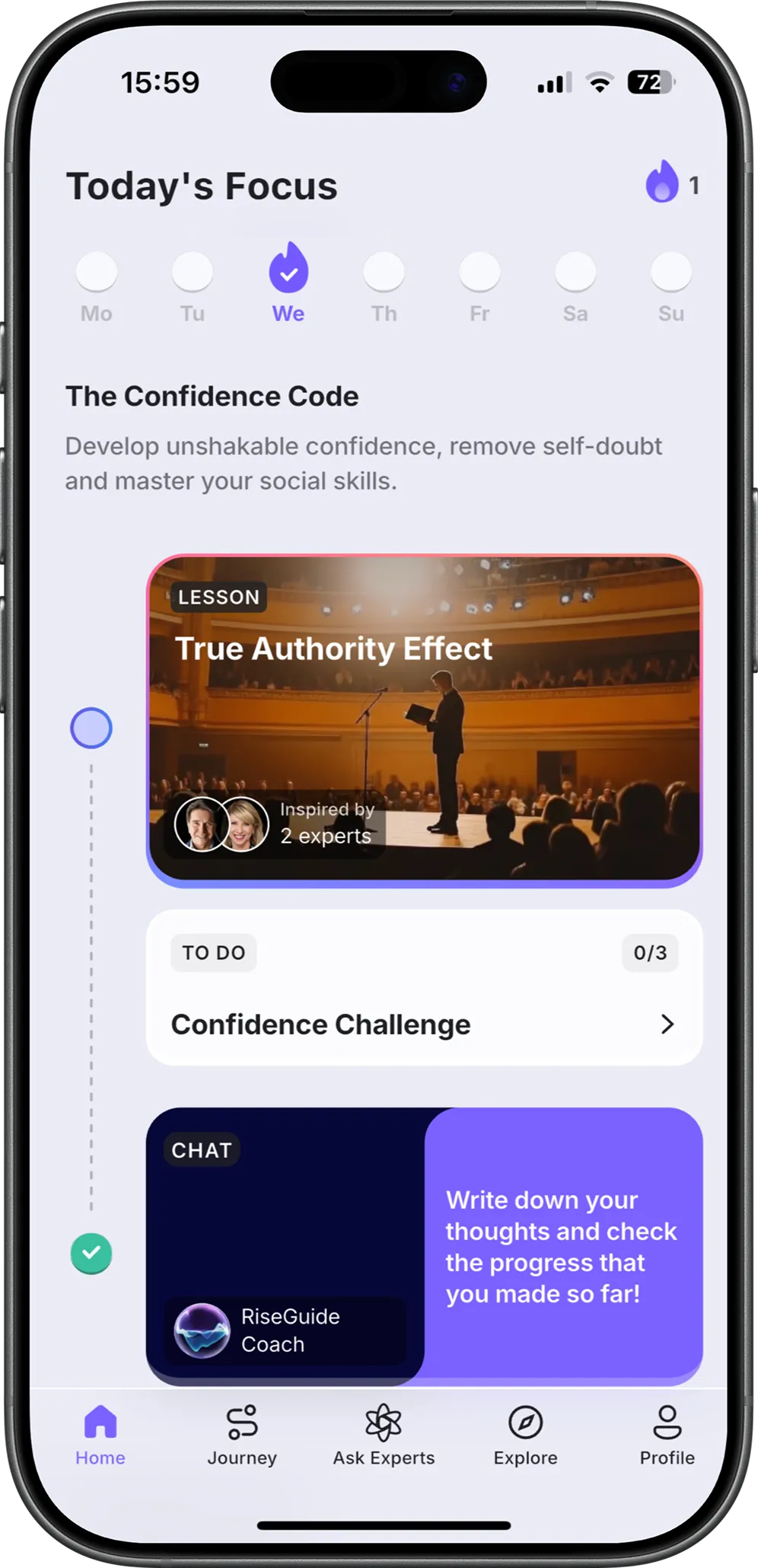
RiseGuide is made for people who want the time they spend on their phone to leave them with a skill instead of a vague sense of having lost an hour. Its lessons are grouped into journeys, each one working through a single area, like communication, clearer thinking, discipline, or confidence, drawn from the ideas of experts in that field. A journey moves in order rather than throwing standalone tips at you, so each lesson builds on the one before it.
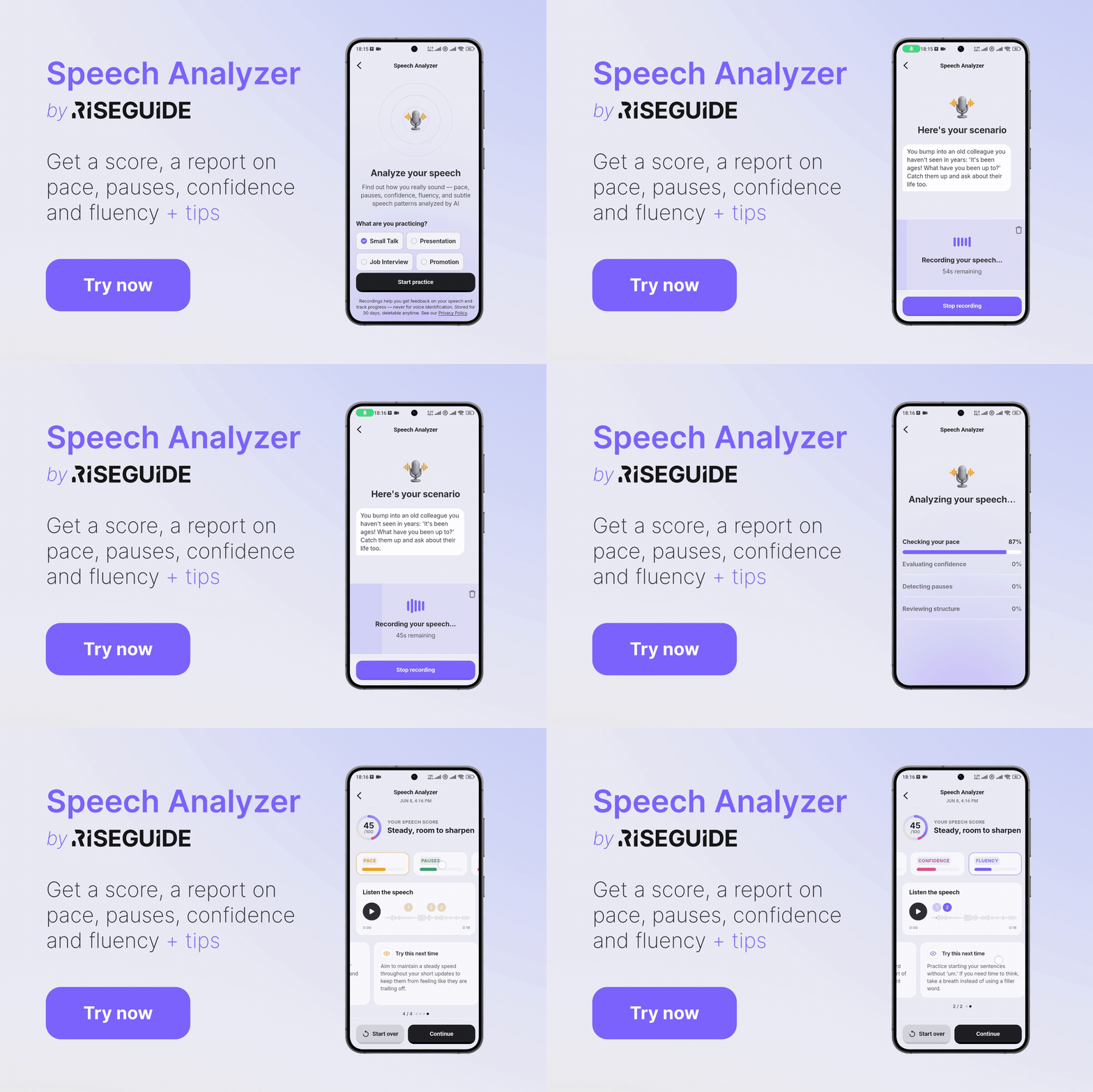
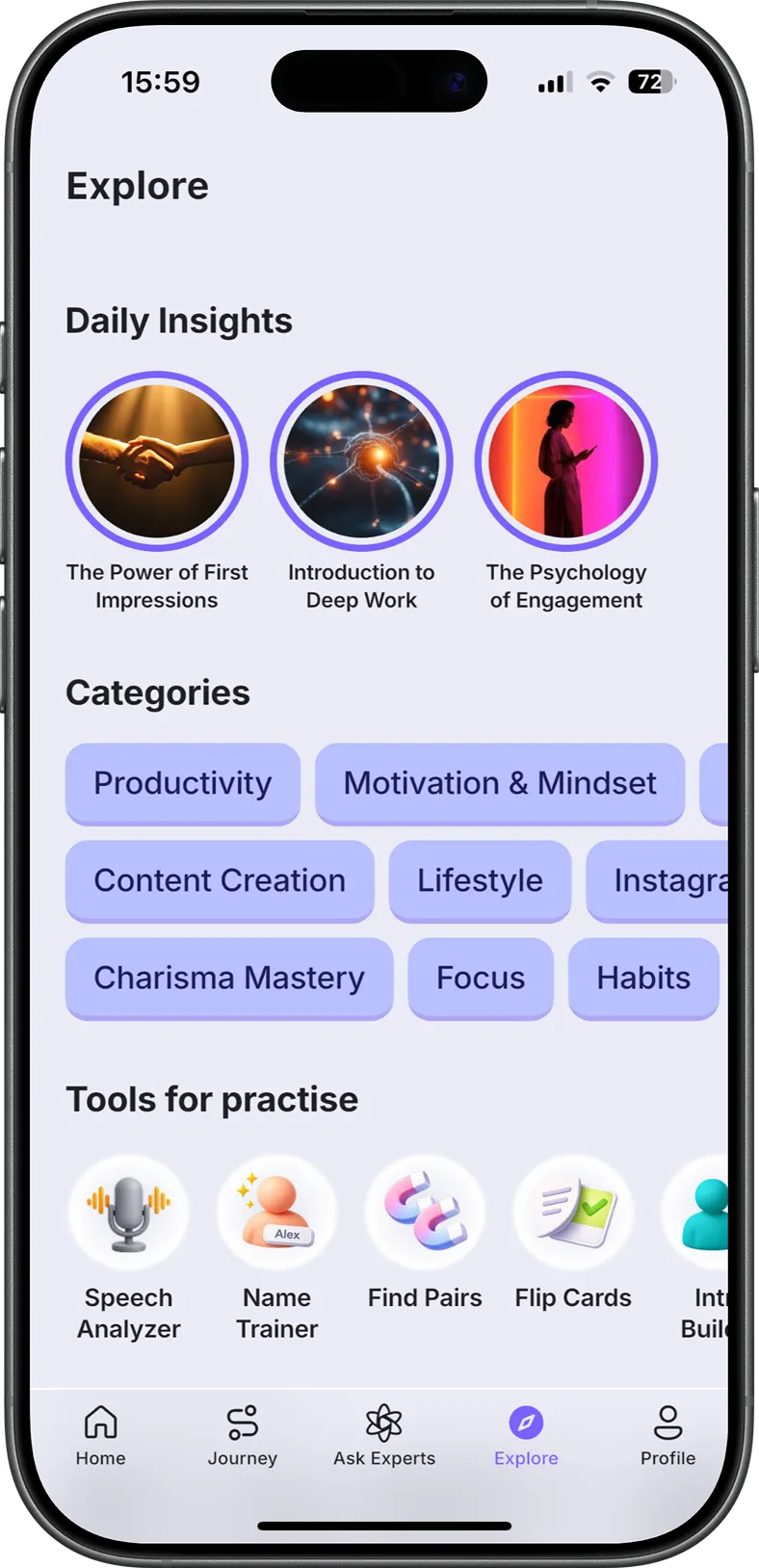
It also includes interactive tools you can use inside a lesson or on their own, like a Speech Analyzer that gives feedback on how you speak and a Small Talk Simulator to rehearse conversations, so you try an idea out instead of only reading about it. SEEK, the app's expert-knowledge search, answers a question by pulling from a vetted library of sources and linking you back to the originals. With 1M downloads and 400K monthly active users, it has found its audience among people who'd rather come away from ten spare minutes having learned something than scroll one more feed.
Strengths:
Limitations:
If you want your phone time to leave you a little sharper than it found you, this is the one built for it. You can try RiseGuide and see how a single journey feels before going further.
App Store (4.8 ⭐)
Google Play (4.4 ⭐)
Best for: curious people who want the main takeaways of many books without the time cost.
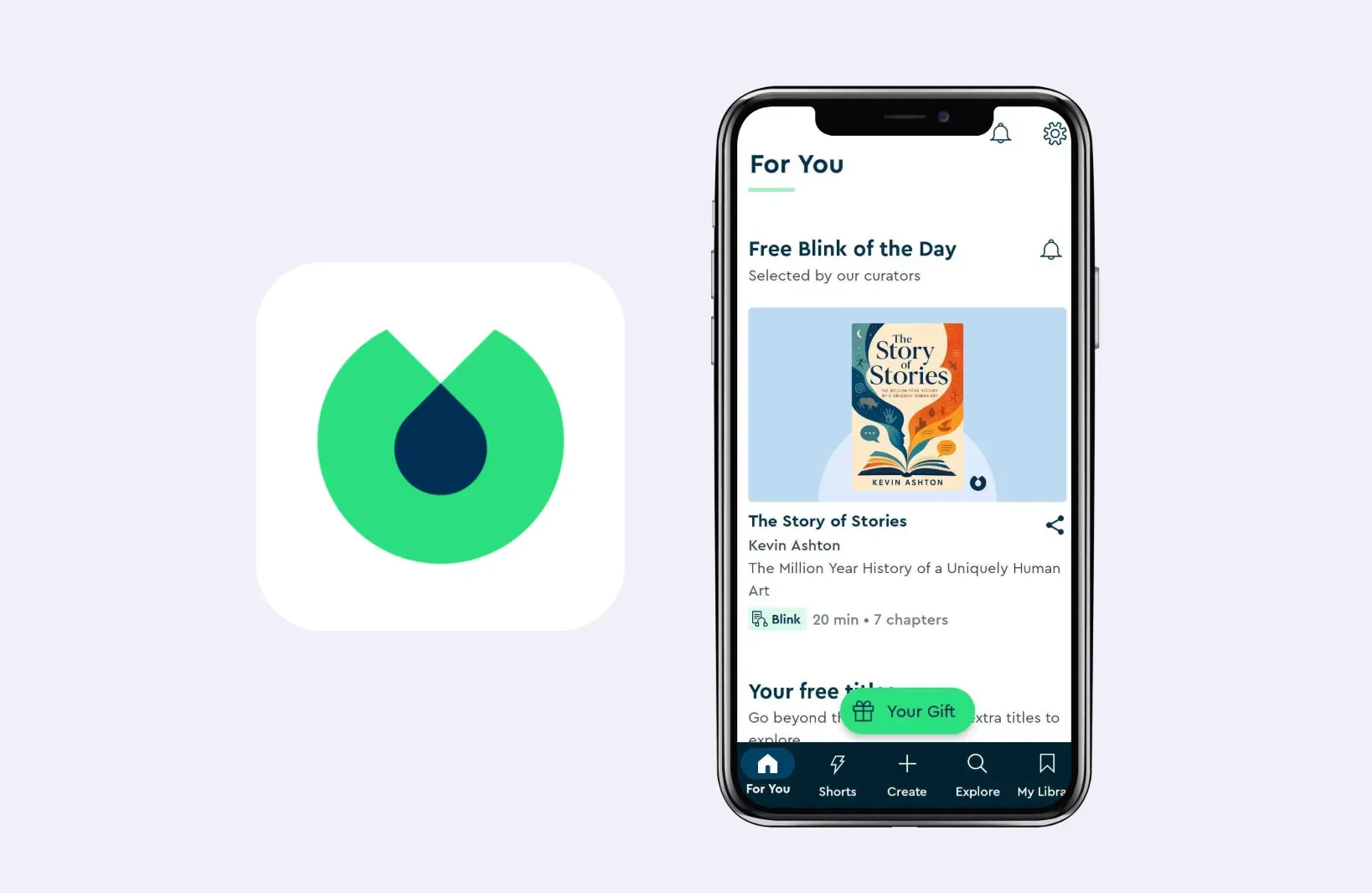
Blinkist condenses more than 6,500 nonfiction titles into roughly fifteen-minute summaries you can read or listen to. It's a quick way to test the central argument of a book before deciding whether to read the whole thing, and the library spans productivity, psychology, business, and personal growth. It also turns up in our roundup of the best microlearning apps for the same reason.
Strengths:
Limitations:
App Store (4.8 ⭐)
Google Play (4.6 ⭐)
Best for: people who want to keep their thinking sharp and improve skills they use daily.
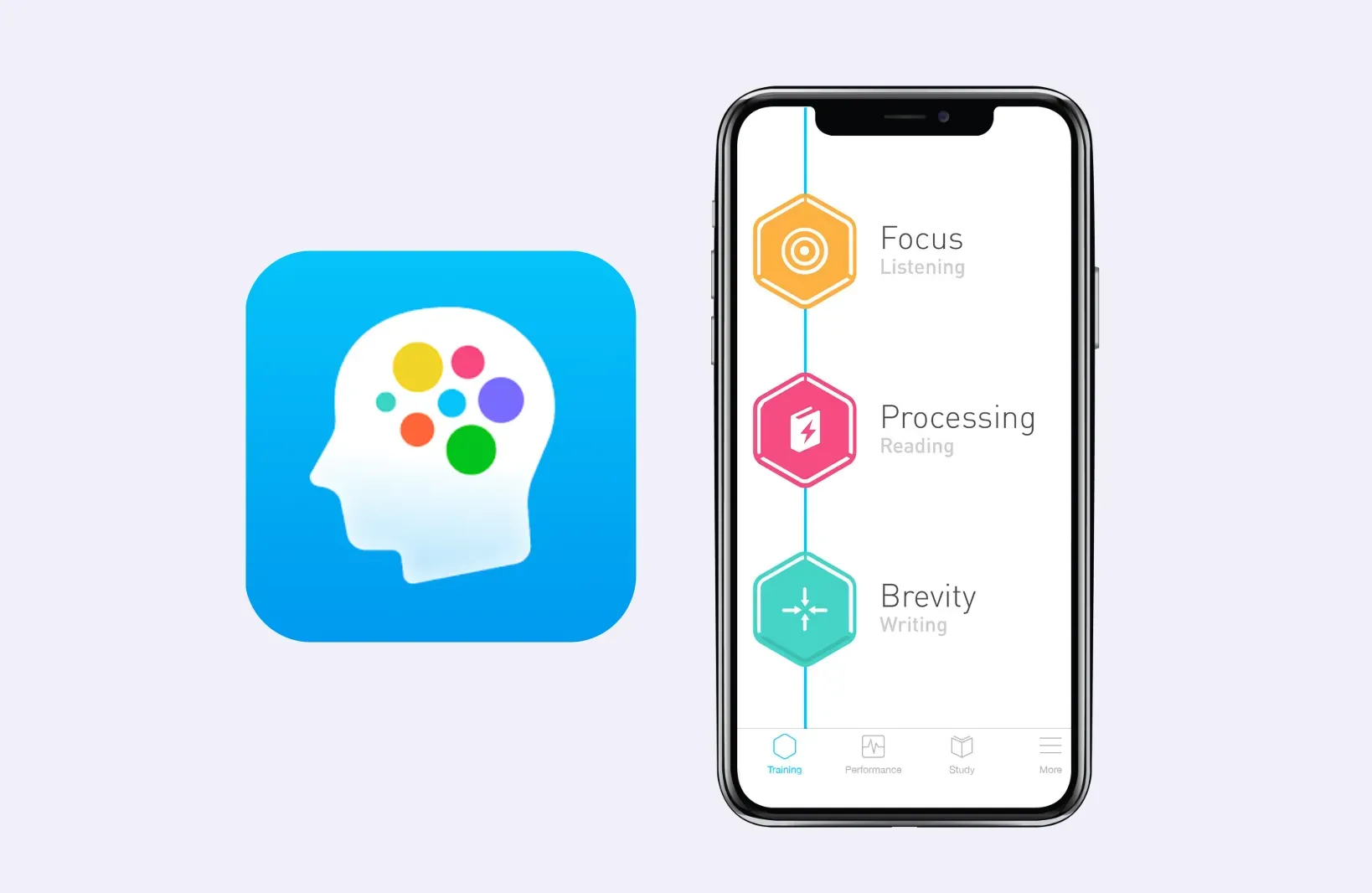
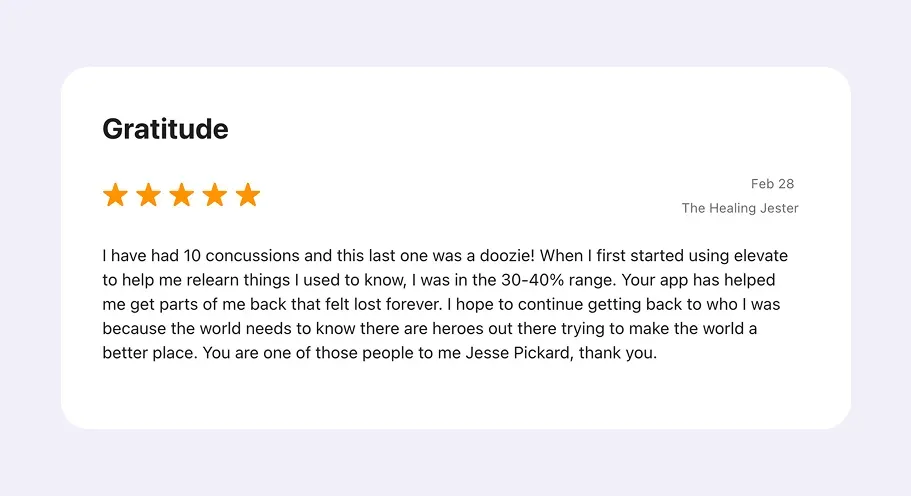
Elevate is a set of more than forty games that train cognitive skills with real-world payoff: reading comprehension, writing, speaking precisely, focus, memory, and mental math. The exercises are designed with input from cognitive-learning experts, and the difficulty adjusts as your scores climb, so it keeps pace with you rather than staying too easy or too hard.
Strengths:
Limitations:
App Store (4.9 ⭐)
Google Play (4.9 ⭐)
Best for: people who bounce off strict habit apps and want something kinder.
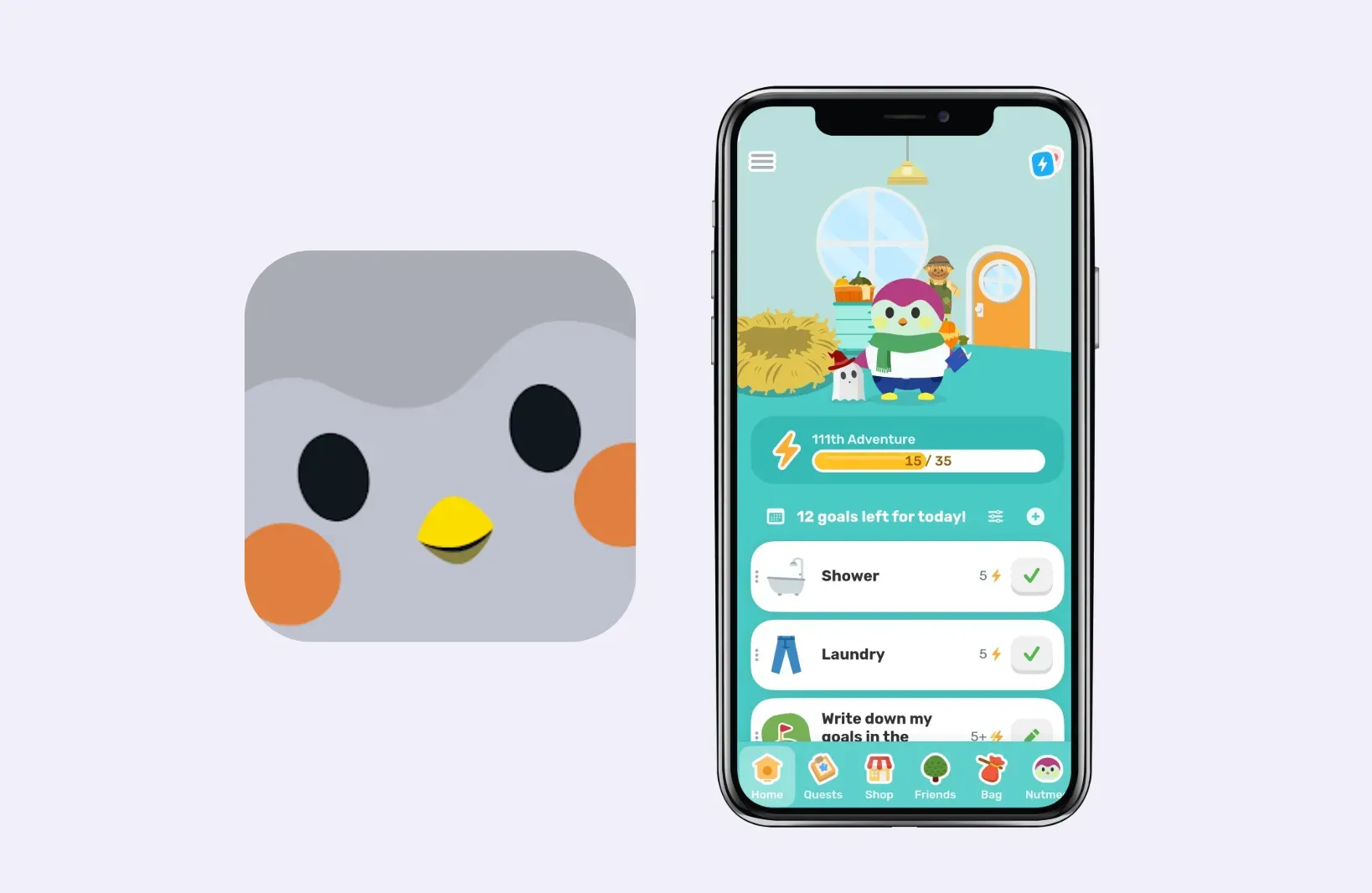
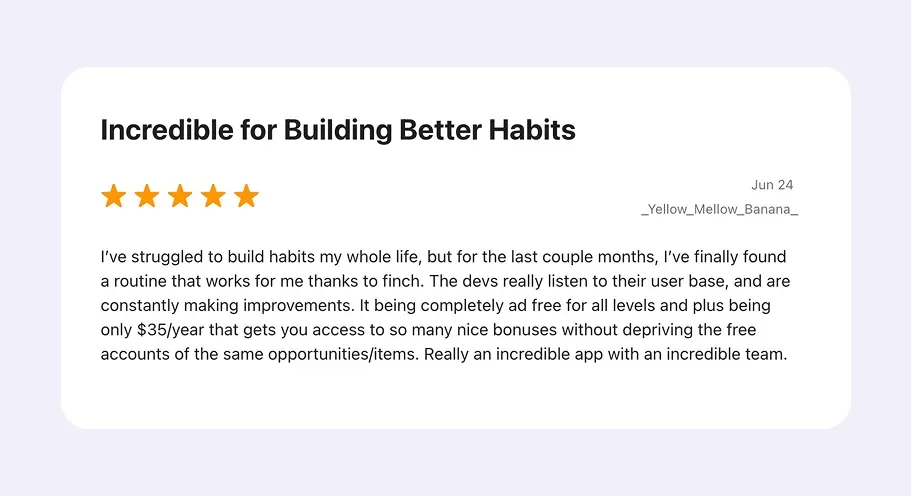
Finch turns looking after yourself into looking after a virtual pet. You complete small actions like a breathing exercise, a short reflection, or a mood check-in, and each one helps your bird grow. It runs on encouragement rather than streak pressure, which is why plenty of people say it's the first self-care app they've kept using, with more than 10M downloads behind it.
Strengths:
Limitations:
App Store (4.8 ⭐)
Google Play (4.1 ⭐)
Best for: anyone starting a meditation practice or wanting better sleep and focus.
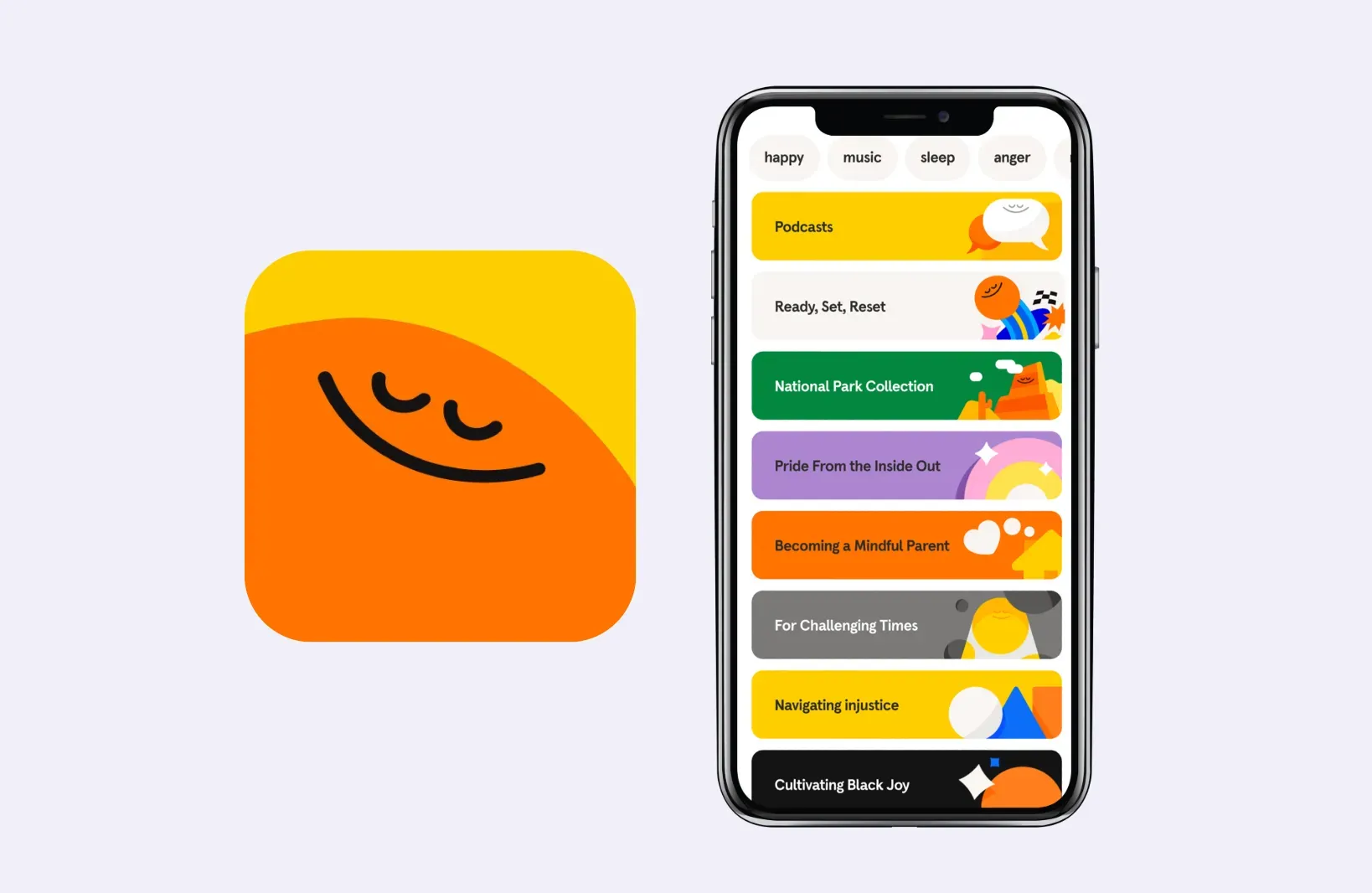
Headspace is one of the friendlier ways into meditation, with guided sessions sorted by what you need, whether that's stress, sleep, or focus. The evidence behind it is real: a 2025 randomized controlled trial in the Annals of Behavioral Medicine found that first-time meditators using Headspace reported less stress by week two, and the effect held through week eight.
Strengths:
Limitations:
App Store (4.7 ⭐)
Google Play (4.4 ⭐)
Best for: people whose main obstacle to self improvement is their own screen time.
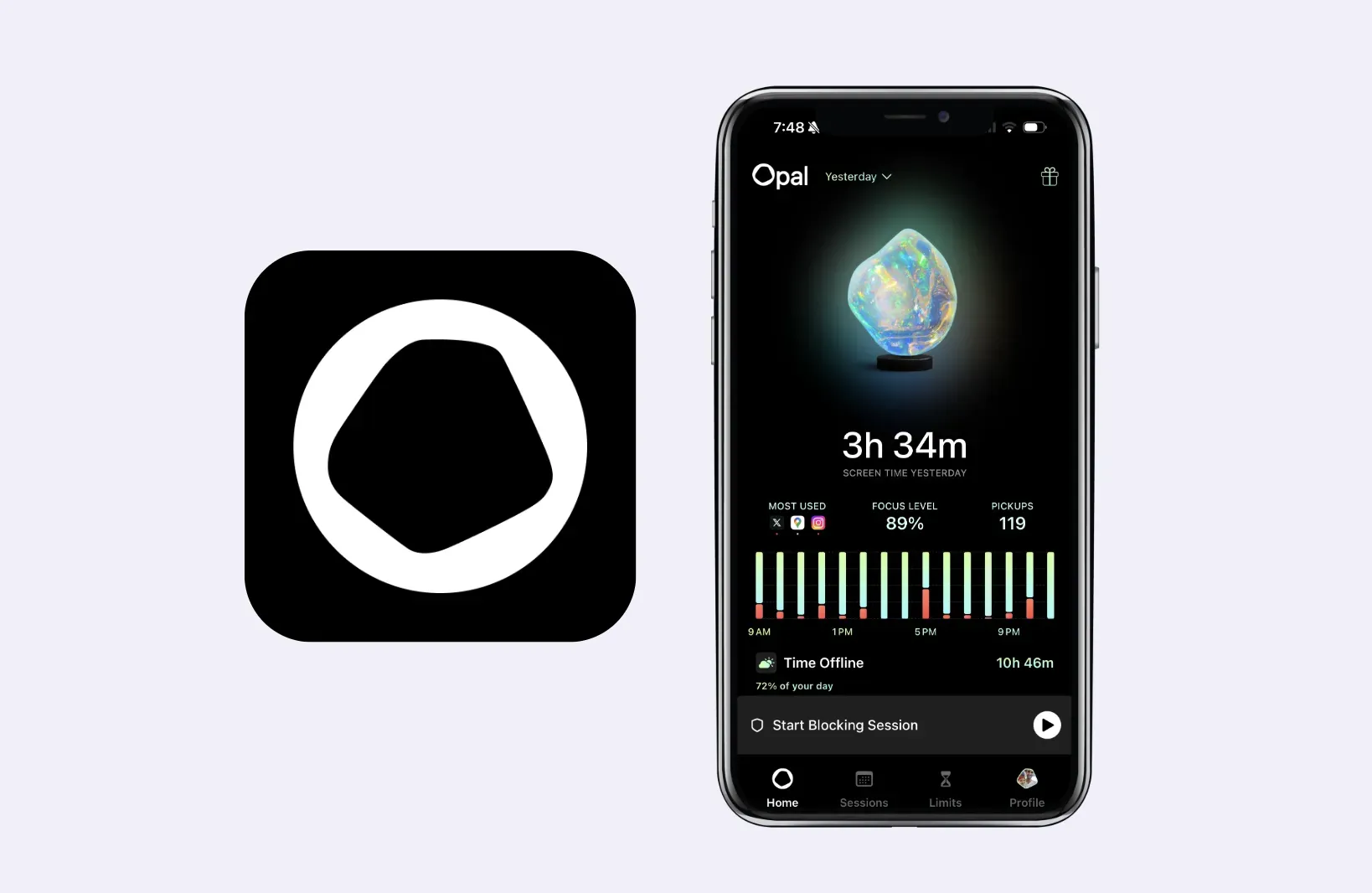
Every app here quietly competes with the same thing: the feeds that swallow your attention. Opal is one of the most capable tools for pushing back, with scheduled focus sessions, app blocking, deep screen-time integration, and detailed usage data. Its Focus Gems and Deep Focus mode make staying off distracting apps feel like a reward rather than a punishment, which is a big part of why people keep at it.
Strengths:
Limitations:
All ratings verified on the US App Store and Google Play on July 24, 2026. Ratings change over time, so treat these as a July 2026 snapshot.
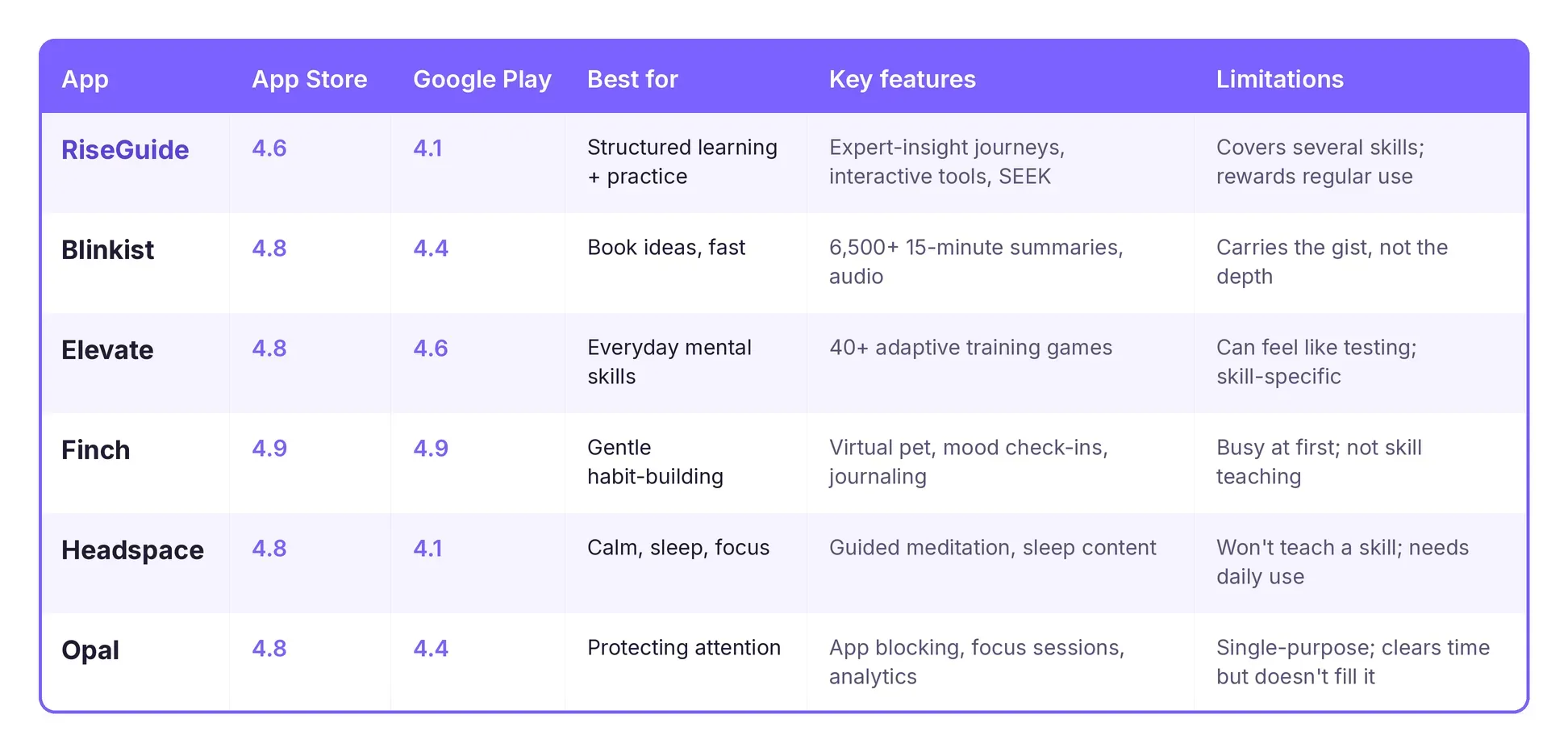
Match it to what you're actually after. If you want to feel calmer or sleep better, Headspace is the place to start. If screen time is the thing standing between you and everything else, Opal deals with it head-on. Finch suits anyone who wants to keep small daily habits without a tracker nagging them, Elevate keeps your thinking quick, and Blinkist feeds you ideas when you're short on reading time.
RiseGuide is aimed at getting you better at something, whether that's the way you speak, think, or carry yourself, and it hands you exercises to practice rather than only material to absorb. If the version of self improvement you have in mind is a skill you want to own, that's the reason to start there.