Katie Mares
Brand Experience Expert

For a long time, I believed the hardest parts of my life were things to get through quietly and then tuck away, like winter coats you shove to the back of the closet in July. You survive them, you tidy yourself up, and you move on. That was how I thought it worked.
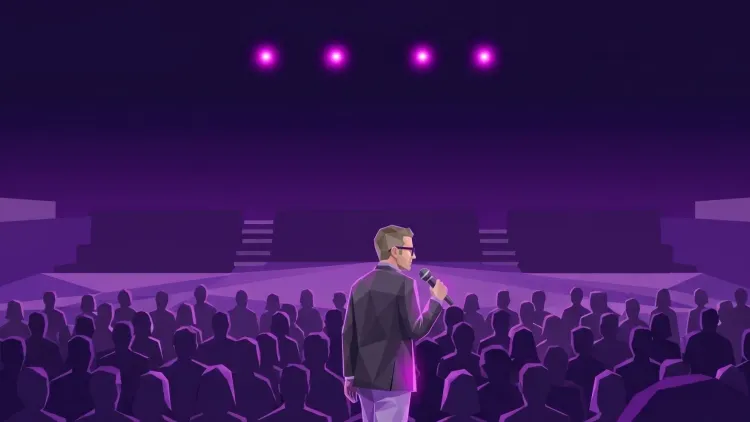
What I have learned, and what I now build a lot of my work around, is that those chapters do not stay in the back of the closet. They shape how we lead, how we love, and how we show up in a room. When we finally turn and face them, the thing we were most afraid to talk about often becomes the thing that connects us most deeply to other people. I speak about resilience, and I give a talk called "My story of resilience." Standing on a stage and talking about your hardest season is not a comfortable thing to do, but every time I do it, someone finds me afterward and says a version of, "I thought I was the only one." That is the reason I keep doing it. Our stories, told with care, tell other people they are not alone.
Here is something I feel strongly about, especially for those of us who love to help. Your story is ready to be shared once you have done the work to heal it, not the moment it happens.
There is a real difference between leaking your pain onto other people and offering it to them as something useful. Leaking looks like telling your story while you are still bleeding from it, hoping the audience will bandage you up, which puts the burden on them to hold you. Offering is different. It means you have walked through the experience, sat with it, gotten support, and arrived at a place where you can talk about the wound without falling back into it. You will know which one you are doing by how you feel afterward. When I share from a healed place, I feel steady and connected. When I have tried to share too soon, I have felt raw and a little resentful, as if I gave away something I still needed for myself.
Before you tell your story publicly, it is worth asking yourself a few honest questions. Have you actually grieved this, or have you just gotten busy? Can you talk about it without needing the listener to rescue you? Are you sharing it for them, or are you still trying to process it through them? You do not have to be completely finished with the experience, because we are never fully finished with the big ones. You do need to be standing on solid ground when you speak.
Owning your story is one of the most powerful things a woman can do, and I say that as someone who spends her days encouraging women to step into their voice and their choice. When you own your story, nobody else gets to define it for you. You decide what it meant, what it made you, and which parts you are proud of, and the shame loses its grip. I think of this as finding your inner queen. Tiara optional, but highly recommended.
Ownership is also generous. When you stand in your full story, you give the people around you permission to stand in theirs. That is how a room changes. One honest person makes it safe for the next one.
I have spent my career studying experience, meaning how people feel when they interact with a brand, a leader, or a team. The thing I come back to again and again is that we forget our customers are humans who want an experience, and the same is true of every audience, every colleague, and every person across the kitchen table from you.
A flawless, rehearsed delivery might impress people, but it rarely moves them. What moves people is seeing that you have lived something, that you have been in the dark and found your way out, and that you are extending a hand back to whoever is still in it. This is why I trust human connection over a script. A script protects you, while connection asks something of you, and that cost is what makes it matter to the people listening. People do business with people, not businesses, and people heal alongside people too.
I want to be careful here, because vulnerability has become a bit of a buzzword, and I do not mean the kind where you overshare and call it courage. I mean vulnerability handled with responsibility. That means you are intentional. You know why you are sharing this particular story with this particular audience, and you know what you want them to walk away with. You are not using the stage as free therapy. You are handing them a map, drawn from a road you actually travelled.
When you do that, you build trust in a way little else can. Your audience senses that you respect them enough to be honest and that you respect yourself enough to have healed first. That combination is rare, and people feel it.
If you are sitting on a chapter you have never told anyone about, I want you to hear me. That chapter may hold your most important message, not because pain is noble on its own, but because you made it through, and someone out there needs to know it is possible. Do the work, own the story, and then, when you are ready, offer it warmly and on purpose to the people who need it. You may be surprised how much strength has been hiding in the part of you that you were most tempted to keep quiet.