Randy Charach
Expert in Nonverbal Communication
People watch a performer improvise gracefully through a disaster and assume they are witnessing raw talent, a natural who can wing it. I have been that performer, and I can tell you it is almost the opposite of winging it. The freedom to improvise, to stay loose and human when everything falls apart, is bought with a currency most people never see: thousands of quiet, unglamorous hours of rehearsal. Discipline does not cage you. Discipline is what sets you free.
I did a corporate show in Toronto years ago that I still think about. The microphone died two minutes in. The lighting crew had aimed their rig straight into my eyes. Then a volunteer I brought up pulled the wrong card in front of his entire company. The room tensed up on my behalf, in that sympathetic silence where everyone realizes the professional is in trouble. I looked at the man, looked at the room, and said, "Well, that went wrong. Good thing I'm not a heart surgeon." The place came apart laughing, and from that moment they were with me.
Here is what an audience does not see in that moment. I could be that loose only because the routine underneath me was rehearsed into my bones. I had done that piece a thousand times. I was not spending any attention trying to remember what came next, so I had all of it available for the room, for the joke, for the human being in front of me who had just fumbled. The improvisation looked like freedom from preparation. It was the direct product of it.
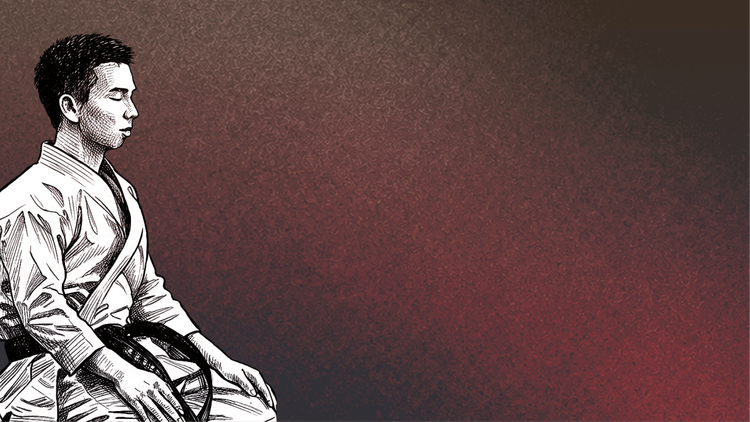
This is the part people get backwards. They think discipline and spontaneity are opposites, that if you want to be free and creative you should resist too much structure. On a stage, the reverse is true. When a skill is drilled until it runs on its own, it stops taking up space in your mind, and that freed-up space is exactly where presence and improvisation live.
A musician who has practiced scales for years can forget the notes and actually play. A speaker who knows their material cold can abandon the script and respond to the room in front of them. The presence people remember is not the absence of preparation, it is what preparation makes possible. Skip the discipline and you are not free, you are just underprepared, and it shows the second anything goes sideways.
The hard truth is that the work that buys this freedom is boring, and no one is watching while you do it. It is the repetition when you would rather be done, the run-through of a piece you already know, the small commitment kept when nothing is forcing you and no applause is waiting. That is the discipline behind the illusion, and it is the least visible part of any skill that looks effortless from the seats.
I still rehearse, after all these years and all those shows. Not because I do not know the material, but because that depth of preparation is what lets me stop thinking about the material and be fully present with the people in the room. Polish, for me, is the floor and not the ceiling. You put in the disciplined hours so that when you finally walk out, you can forget all of it and simply be there.
I want to draw a clear line here, because it is easy to hear "be loose and present" and take it as permission to skip the work. Improvising from a foundation of rehearsal and winging it from nothing look similar for about ten seconds, and then they look nothing alike. The prepared performer who hits a snag has a hundred rehearsed moves to fall back on, so they can afford to play. The unprepared one who hits the same snag has nothing underneath them, and the audience watches them scramble. One is freedom. The other is a person hoping no one notices the floor is missing.
The seductive part of talent is that it lets you get away with under-preparing for a while, especially early on. That is a trap, because it teaches you that the disciplined hours are optional right up until the night they were the only thing that would have saved you. I would rather over-prepare for a show that goes smoothly than get caught loose on the one that falls apart. The whole point of the discipline is that you never know which night it will be.
You do not need a stage for any of this to apply. The calm expert who fields the impossible question, the leader who stays steady when the plan collapses, the professional who makes a hard thing look easy, are all standing on a foundation of unseen, disciplined repetition. Their ease is earned. When you envy someone's ability to improvise under pressure, what you are really seeing is the freedom their discipline bought them, long before the moment that made it look effortless. So put in the deep, focused hours on the thing you care about. Drill it until it runs without you. That is not the opposite of freedom. It is the price of it, and it is one of the best trades you will ever make.