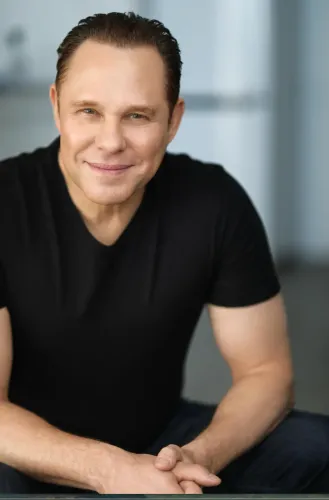
Randy Charach
Expert in Nonverbal Communication

People find out I am a mentalist and they usually ask the same thing: can you read my mind? The honest answer is no. I cannot read your thoughts, and anyone who tells you they can is selling something. What I can do, after thousands of shows, is read you: your face, your posture, the little catch in your breath, the half-second of hesitation before you answer. There is nothing supernatural in it. It comes down to attention.
Mentalism, once you strip the mystery off it, is the craft of reading people. To do it well I have to be completely present, because the signals are small and they do not wait for you. Every micro-expression, every hesitation, and every breath carries a small piece of a story if you are paying enough attention to catch it. The good news for anyone who has never held a deck of cards is that these same skills work in a meeting, a negotiation, or a difficult conversation with someone you love. A room starts telling you the truth long before anyone opens their mouth.
Let me be straight about the tools, because there is nothing magical in the kit. There is cold reading, which is really careful observation: I offer something, I watch how a person reacts, and I build on what their reaction tells me, following a flicker of recognition or a nod that comes a beat too fast until the field narrows. There is muscle reading, where I pick up on the tiny unconscious movements people make when they lean, tense, or drift toward whatever they are thinking about without realizing it. And there is plain body language, along with tracking where attention and energy move around a room. That is the whole kit: observation and psychology, used by an entertainer who is honest about being an entertainer.
Here is what I want you to take from this. Before a single word is spoken, a room is already full of information. The problem is that most people walk in rehearsing. They are running their opening line, worrying about their slides, planning what they will say when it is their turn. Their attention points inward, which means the entire early conversation of the room passes them by.
When I step onto a stage, I do not start with my act. I start by reading. In the first few seconds I can usually feel who is guarded and who is already leaning in, where the skeptics are sitting, where the warmth is, and where the tension has settled. You can do the same in any room you walk into, as long as you stop rehearsing your next line and actually look.
People often ask me what to look for, so here are the signals I trust most. Watch breathing, because it is the most honest thing a person does and the one they control the least. Shallow, high breathing usually means nerves or resistance, while a slow exhale often means someone has decided to trust you, and when a whole room's breathing settles, you have landed. Watch posture shifts, and pay more attention to the change than to the pose itself, because the moment someone uncrosses their arms and leans forward, they have opened, and the moment they pull back and square off, you have lost a little ground. Watch hesitation, since the small delay before an answer tells you there is more going on than the words admit, and I have learned to trust the pause over the "yes" that follows it. And watch the moment right before someone speaks, when there is almost always a physical tell, a breath drawn in or a mouth that opens and stops. If you catch it, you can make room for a quiet person who was about to give up on being heard.
Here is the mistake beginners make, in mentalism and in leadership alike. They try to be clever. They think reading people is about being sharp and quick and outsmarting the room, when it is really about being present. The signals are quiet, and cleverness is loud, so you cannot catch a half-second hesitation while your mind is busy admiring itself.
I think of a corporate show where the schedule had gone sideways, and I could feel it the instant I walked out. The room was low, tired, and a little annoyed at running late, none of which anyone had said to me. It was in the slumped posture, the flat energy, and the way people were looking at their phones instead of the stage. Because I read it before I started, I threw out my planned opening and met them where they actually were, then brought the energy up from there. Had I marched into my rehearsed bit, I would have been performing to a room that had already left. You do not need a deck of cards to use any of this. You need to walk in and, before you say a word, give the room your full attention. Notice who is holding their breath, where the tension sits, and who is on the verge of speaking. The room will tell you most of what you need to know, and your only job is to be present enough to hear it.