Demetra Moore
Leadership & Communication Coach
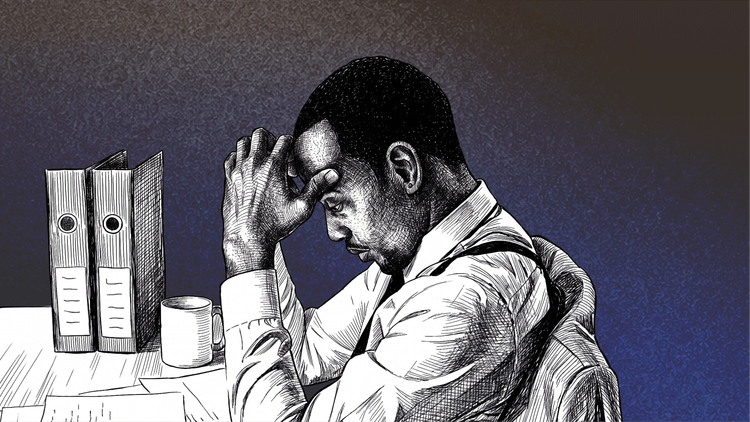
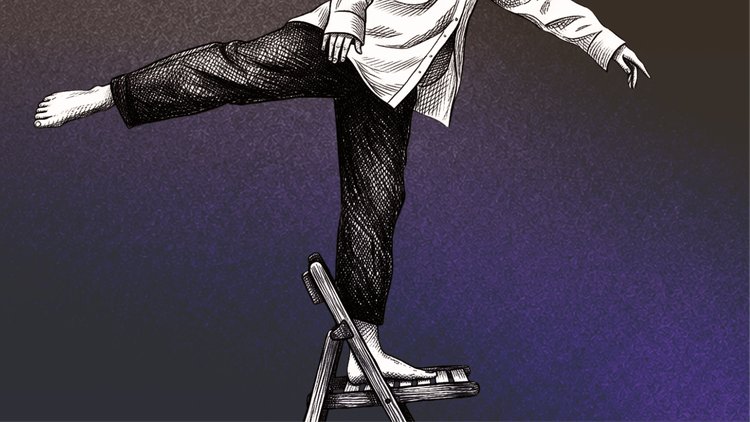
Something is troubling almost everyone at work, most of the time. A conversation that did not go well, a decision that keeps you up at night, a role that no longer fits, a tension with a colleague you cannot name out loud. We tend to handle these things in one of two unhelpful ways. We either push them down and pretend we are fine, or we spin on them endlessly without ever moving anywhere. Over the years I have come to rely on a simple three-part path through the things that weigh on us: awareness, acceptance, and action. It is not complicated, and that is exactly its strength. Each step does one job, and together they carry you from stuck to steady.
The first step sounds obvious and is the one most of us skip. Before you can work through something, you have to be honest with yourself about what it really is. That means slowing down enough to notice not just the situation but what it is stirring in you. Are you angry, or underneath the anger are you actually hurt? Are you worried about the project, or about what the project says about you? Awareness is the willingness to look clearly at what is there instead of the tidier version we prefer to tell ourselves.
This is inner work, and it is worth protecting time for. A few quiet minutes of honest reflection, or the practice of stepping back and observing your own reactions the way you might in a moment of mindfulness, can surface what has been driving you all week. You cannot address what you will not let yourself see, so awareness always comes first.
Once you see the thing clearly, there is a temptation to jump straight to solving it. I want to slow you down here, because the middle step is the one most people skip, and it is the one that makes the other two work. Acceptance means allowing what is true to be true, without arguing with reality or beating yourself up for feeling the way you feel. It is not approval, and it is not resignation. It is simply the decision to stop fighting the facts of the situation so your energy can go toward what you will do about them.
So much of our stress comes from the second layer we add on top of a hard situation: the frustration that it is happening at all, the self-criticism for not handling it better, the wish that things were different. When you accept the situation as it is right now, that second layer quiets down. This is a close cousin of reframing the harsh story you carry, because acceptance clears the noise so a truer, kinder perspective can come through.
The final step is where acceptance turns into movement. Action does not mean solving the whole thing at once or having the perfect plan. It means choosing one honest step that is actually yours to take, and taking it. Sometimes that step is a conversation you have been avoiding. Sometimes it is a boundary, a request, or a decision you have been circling for weeks. Sometimes the right action is internal, a genuine choice to let something go that you cannot change.
The point is to break the spin by doing something real. One clear step tends to reveal the next, and momentum, once it starts, is its own kind of relief. This is also how resilience gets built in practice, not by never struggling, but by moving through the struggle one deliberate step at a time.
Most people do not fail at this method because they cannot understand it. They get stuck at one of the seams. Some of us live almost entirely in awareness, endlessly analyzing how we feel and why, and mistaking that reflection for progress. Others rush from awareness straight to action, skipping acceptance, and wonder why the same problem keeps returning in a new outfit. And some of us accept things so thoroughly that acceptance quietly becomes an excuse to never act at all.
When you notice you are stuck, it usually helps to ask which step you are avoiding. If you are spinning, you probably need acceptance. If you feel calm but nothing is changing, you probably need action. If you keep reacting to the same thing without knowing why, you have skipped awareness and need to go back to the beginning. The three steps are not only a path forward; they are also a simple diagnostic for figuring out where you actually are. And you can slow down to move through them well, because taking the time to work through something properly is often what lets you move faster afterward.
Awareness without acceptance keeps you stuck in analysis. Acceptance without action becomes a comfortable excuse to do nothing. Action without the first two steps sends you rushing to fix the wrong problem. Held together, the three form a path you can walk through almost anything that troubles you at work, again and again, whenever you need it. My hope is that the next time something sits heavy on you, you will remember that you do not have to swallow it and you do not have to spin on it. You can see it, accept it, and take one true step forward, and that is usually enough to begin.