When I work with leaders, I often start with a truth that surprises them: the skills that keep a team engaged are rarely the ones listed in the job description. We spend so much time measuring technical ability and hard results that we forget how much of the work is human. In our practice, we call these human abilities key success skills, also known as soft skills. There are seven that matter most: effective communication, leadership, confidence, a positive attitude, relatability, emotional awareness, problem-solving, and time management.
I want to walk you through why these skills carry so much weight, and where they show up in the day-to-day life of a team that stays.
Why soft skills reach further than you think
When a leader lacks these skills, the effect does not stay contained. It trickles down. It reaches employees first, then the culture, and eventually the bottom line. People feel unseen, communication gets muddy, and the energy of the whole team begins to sag.
What often gets missed is how far that trickle travels. Your brand essence, the way customers feel about you, is shaped by how your people feel about working for you. A team that is stretched thin and unsupported cannot help but pass that experience along. And a single bad experience can be shared with thousands, even millions, of people on social media within seconds. That reach can quietly cut into referrals and profit before you ever see it coming. Soft skills, then, are not a soft topic. They protect something very real.
The seven areas where engagement lives
Here is where I see these skills do their most important work, and why each one keeps people invested.
Fairness. Engagement begins when leaders take a genuine interest in who their people are and the value they bring. Fairness is not about treating everyone identically; it is about seeing each person clearly and opening the door to future opportunities for them. When people believe that door is real, they lean in.
Engagement. This one builds on itself. Higher engagement leads to less turnover, more customer loyalty, greater profitability, and stronger revenue. Engaged people simply give more of themselves, and that generosity shows up everywhere the customer touches your business.
Confidence. Soft skills put people at ease. When a team feels at ease, trust grows, creativity has room to breathe, and support flows more freely between people. Confidence is contagious in the best way, and it starts with how safe people feel.
Time. Burnout is common, more common than most leaders realize. When we teach the basics of time management, workdays become less taxing and more productive, and people find a healthier balance. Respecting someone's time is a quiet but powerful way of respecting the person.
Growth. People stay where they can grow. This is not only a matter of morale; it is a matter of cost. It can cost up to 33% of an employee's salary to replace them. Offering real growth opportunities is one of the kindest and most practical things a leader can do, for the person and for the business.
Communication. So much friction comes from a lack of clarity. When people understand expectations, the vision, the values, and how their role fits into the whole, they can move with purpose. Clear communication turns a group of individuals into a team that knows where it is headed.
Stability. The right skills reduce the volatility that can cripple a team. When leaders are steady and communicate well, the team is not thrown off course by every change. Stability gives people the ground they need to do their best work.
Where to begin
If you are reading this and feeling the weight of all seven, please be kind to yourself. No leader arrives fully formed in every one of these areas, and you do not need to. Growth is the point. Pick one skill that feels most alive for your team right now, and give it your attention this month. Maybe it is clarity in communication. Maybe it is protecting your people's time.
These skills are not a luxury you add once the business is thriving. They are part of how the business thrives in the first place. When you invest in the human side of leadership, you are investing in your culture, your customers, and the value your people bring every single day. That is work worth doing, and I believe you are more ready for it than you think.
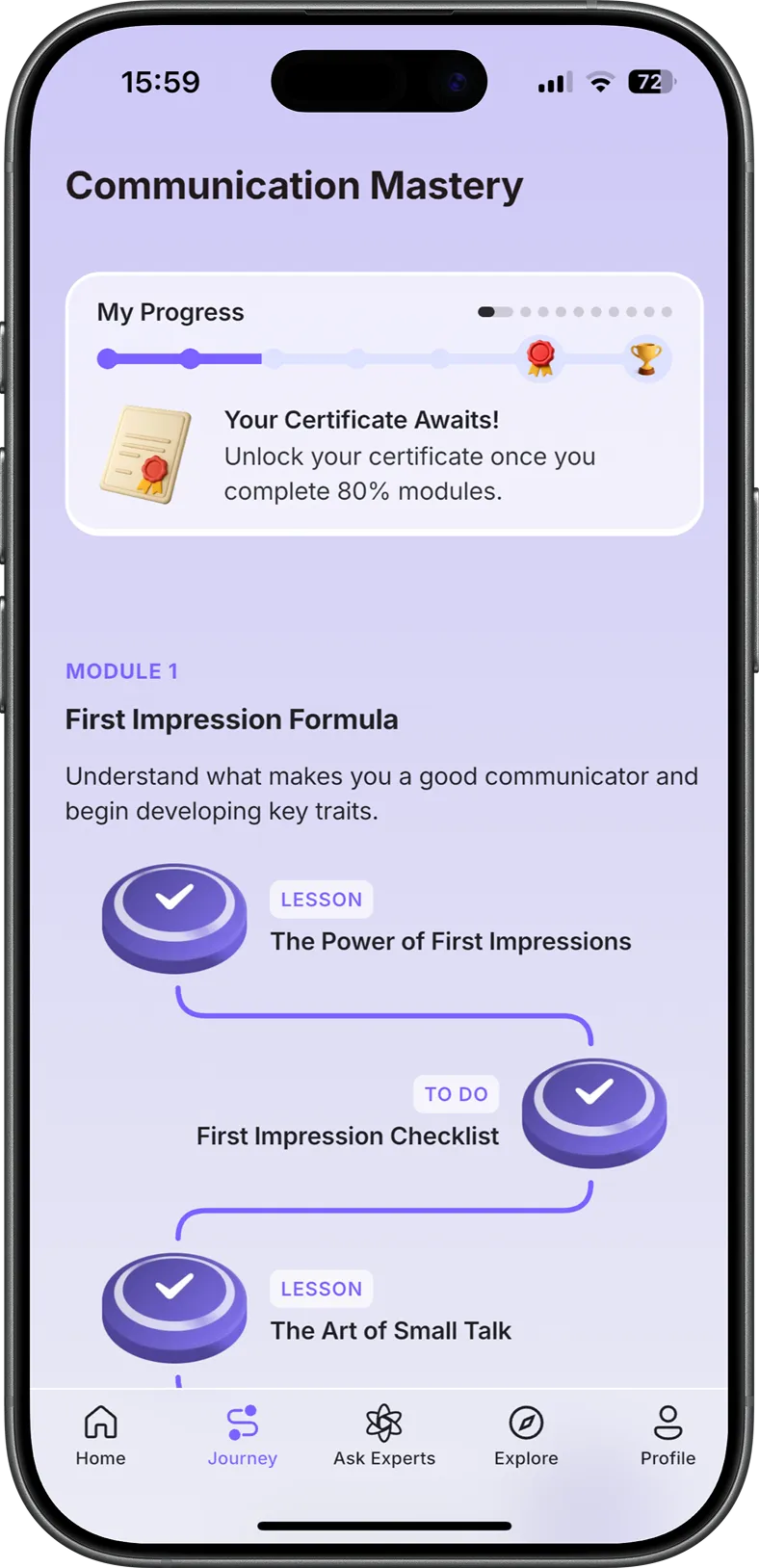
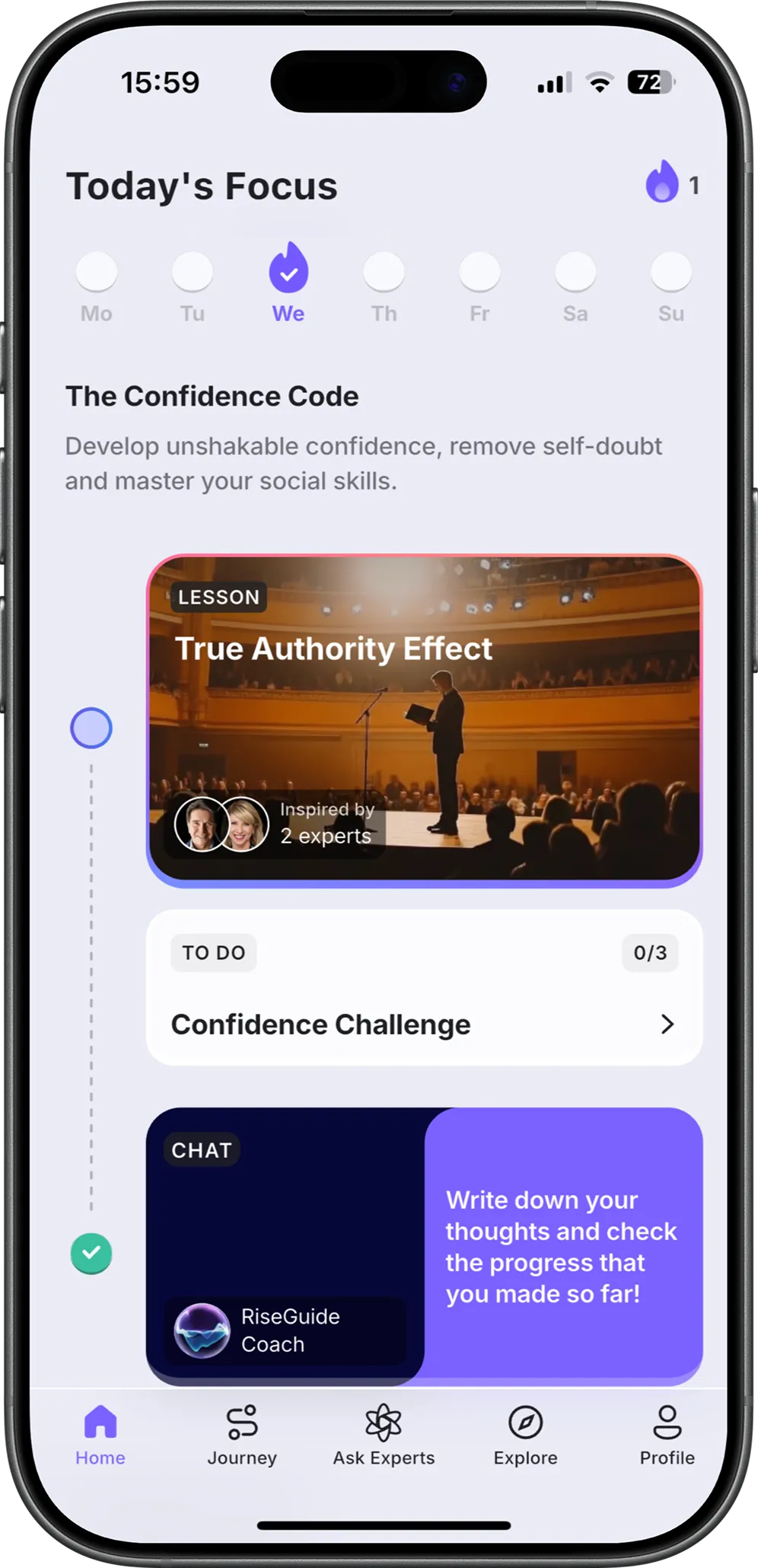
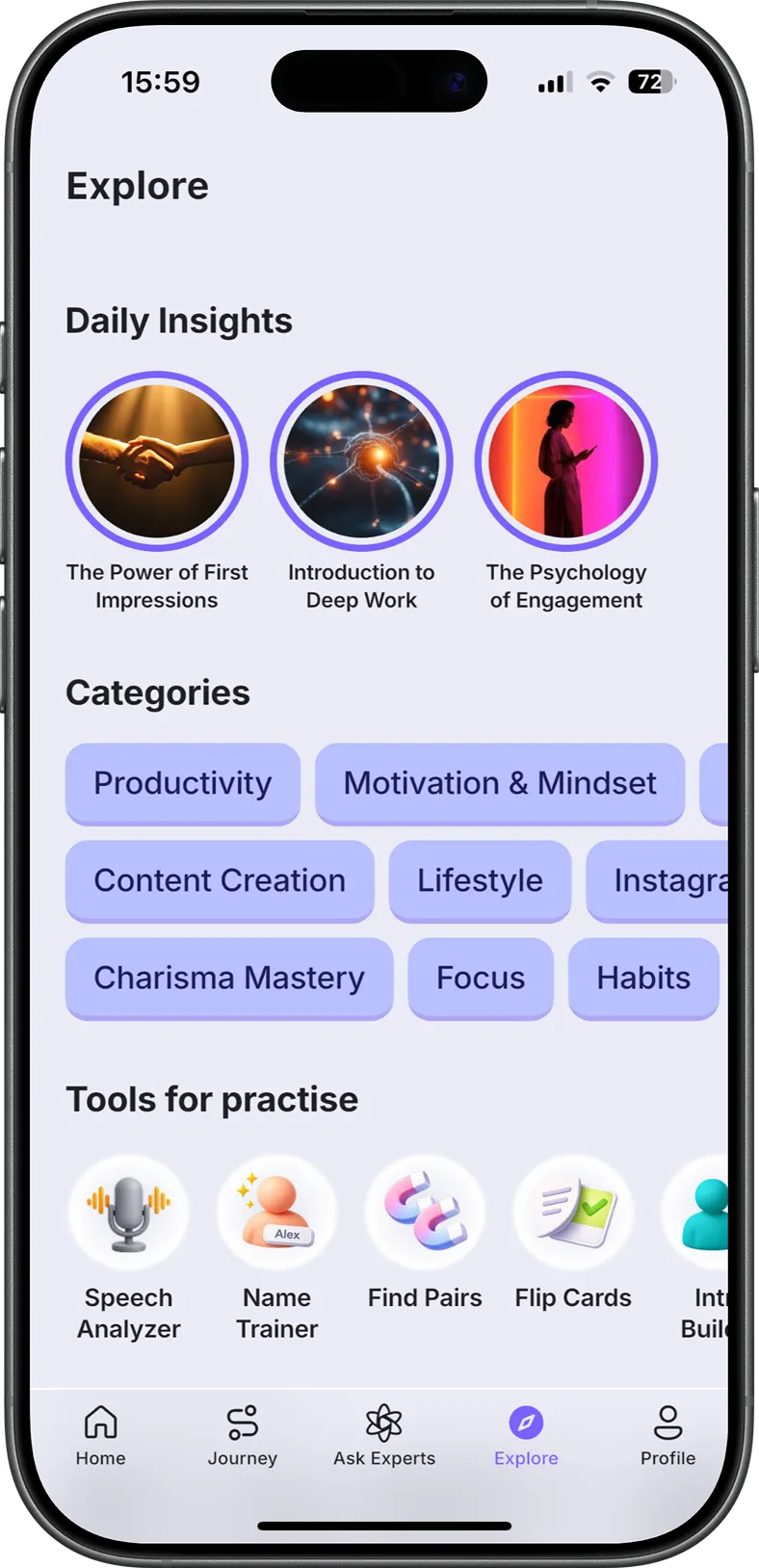
Improve leadership and communication skills with RiseGuide
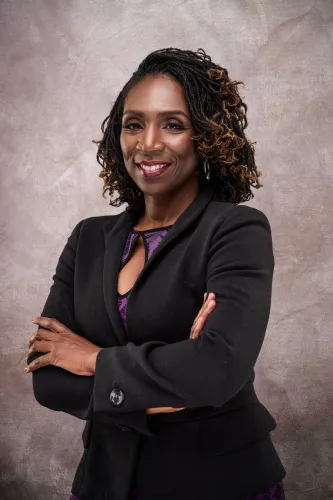
Demetra Moore is a dynamic leadership and communication coach who empowers leaders to communicate with confidence, lead with empathy, and create lasting impact. With over two decades of professional experience, including a distinguished career at LPL Financial, she brings a wealth of expertise in leadership development, emotional intelligence, and organizational growth.
As the founder of Moore Out of Life, Demetra has coached leaders from top organizations such as Google, SpaceX, Genentech, and Medline. She holds a Professional Certified Coach (PCC) credential with the International Coach Federation (ICF) and leads community events for the ICF Georgia chapter. In addition, she serves on the Professional Development Committee of the Atlanta Black Chambers, helping professionals enhance their skills and opportunities for advancement.
Demetra is also the host of The Essence of Leadership podcast, where she amplifies authentic stories of leadership, transformation, and purpose.